The heir to a 135-year Gulf dynasty is betting on blockchain to fix the plumbing of global trade. Abdulla Kanoo, whose family built one of the region's oldest business houses, said this week his firm ARP Digital is building settlement infrastructure specifically for trade between emerging economies. It's a bet that the old correspondent banking model is too slow and too expensive for the $6 trillion of trade already moving onto blockchain rails — a number that could swell to $32 trillion by 2030.
Who is Abdulla Kanoo?
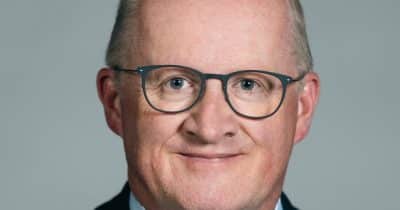
Kanoo is the scion of the Kanoo Group, a conglomerate founded in 1890 in Bahrain that today spans shipping, travel, energy, and logistics across the Middle East. Rather than join the family's traditional holdings, he launched ARP Digital to focus on digital asset infrastructure. The firm is now building the settlement layer for a part of the world where trade volumes are climbing fast but the banking infrastructure often lags.
The $32 trillion trade corridor
The numbers are what caught the market's attention. ARP Digital estimates that trade between emerging economies — South-South trade, in the jargon — could hit $32 trillion by the end of the decade. That's a bigger prize than most bilateral trade lanes. A major chunk of that, roughly $6 trillion, is already being settled or tokenized on blockchains. ARP's infrastructure aims to make that process faster and cheaper than the correspondent banking network that has dominated cross-border trade for decades.
Why blockchain for settlement
Traditional trade settlement between emerging market currencies is a headache — multiple intermediaries, long delays, high fees, and currency controls. ARP Digital's approach puts the settlement logic on a blockchain, cutting out the middle banks and letting exporters and importers transact directly. Kanoo's team has not released a launch date, but the firm is in talks with several central banks and trade finance platforms in Asia, Africa, and the Middle East. The next concrete step: a pilot with a handful of commodity traders later this year.