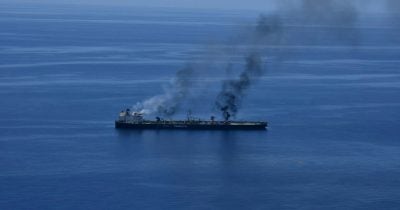
Iran Closes Strait of Hormuz: Immediate Impact on Oil Markets
The Islamic Revolutionary Guard Corps announced the shutdown of the Strait of Hormuz on Tuesday, a move that sent ripples through the world’s energy markets. With roughly 20% of daily global oil shipments normally threading this narrow waterway, the disruption has already nudged Brent crude above $86 per barrel and sparked a surge in futures contracts. Analysts say the closure could shave up to 2 million barrels per day from the supply chain, tightening a market already jittery from lingering pandemic aftershocks.
Geopolitical Tension Amplifies Diplomatic Deadlock
Timing could not be more fraught. The closure coincides with a stalemate in the stalled US‑Iran nuclear negotiations, where both sides have been circling a potential agreement for months. By tightening a chokepoint that underpins 30% of the world’s petroleum flow, Tehran appears to be leveraging its strategic geography to extract concessions. The United States condemned the action as “unacceptable,” while European allies warned that any further escalation could push oil prices past $100 a barrel.
Regional Stability and Shipping Risks
Maritime operators are scrambling to reroute vessels around the Cape of Good Hope, a detour that adds an average of 10‑12 days to transit times and inflates shipping costs by roughly 15%. Smaller tankers, which rely heavily on the Hormuz corridor, face heightened insurance premiums and the specter of naval confrontations. A recent International Maritime Organization report estimated that the rerouting could increase global freight emissions by 250,000 metric tons annually.
- Average delay per vessel: 10‑12 days
- Additional fuel consumption: ~1.2 million barrels per month
- Insurance premium hike: 12‑18% for high‑risk routes
What Energy Experts Predict for Prices
Energy strategist Maya Patel of Global Energy Insights warned, “Even a brief closure can trigger a price shock that reverberates for weeks, if not months.” She projects that Brent could stabilize near $88‑$90 per barrel if the strait reopens within a week, but a prolonged shutdown might push the benchmark past $95, echoing the 2019 crisis when similar disruptions spiked prices by 20%.
Historical data underscores the volatility: during the 2012 and 2019 Hormuz incidents, oil prices jumped 8% and 12% respectively within 48 hours. The current market, already strained by OPEC+ production cuts and geopolitical risk premiums, is far less forgiving.
Broader Economic Consequences
Beyond the barrel, the closure threatens to ripple through global supply chains. Higher fuel costs translate into increased transportation fees for goods ranging from electronics to agricultural products. The International Monetary Fund estimates that a sustained $5 rise in oil prices could shave 0.3% off global GDP growth this year.
Government leaders in oil‑importing nations are already weighing emergency measures, including strategic reserve releases and subsidies for affected industries. Meanwhile, oil‑exporting countries like Saudi Arabia and Russia are poised to capitalize on the supply gap, potentially deepening the geopolitical chessboard.
Conclusion: The Path Forward After Iran Closes Strait of Hormuz
As the world watches the fallout from Iran’s decision to close the Strait of Hormuz, the immediate priority for policymakers is to restore the flow of oil while keeping diplomatic channels open. The closure has amplified market anxiety, heightened geopolitical tension, and exposed the fragility of a global system that still leans on a single maritime bottleneck. Stakeholders—from traders to governments—must navigate a landscape where every barrel counts, and where the next diplomatic breakthrough could determine whether the strait reopens or remains a flashpoint for years to come.