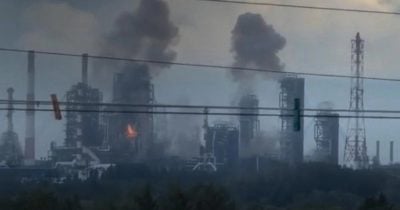
Iran has shut down the Strait of Hormuz, a narrow waterway that carries a huge share of the world's seaborne oil. The closure comes amid rising tensions with the United States and threatens to upend global energy markets.
The move could trigger sustained oil price volatility, according to the facts available. The strait's closure affects not just regional stability but the broader global economy, which depends on the steady flow of crude through the chokepoint.
Why the Strait of Hormuz matters
The Strait of Hormuz connects the Persian Gulf to the Gulf of Oman and the open ocean. It's a critical passage for oil tankers heading to Asia, Europe, and beyond. Any disruption here ripples through supply chains and into fuel prices worldwide.
Iran's decision to close the strait is a direct escalation. The country has long threatened to use the waterway as leverage in its disputes with the West. Now that threat has become reality.
Tensions with the US
The closure is happening against a backdrop of heightened US-Iran tensions. While the exact trigger isn't specified, the two countries have been locked in a cycle of sanctions, military posturing, and diplomatic standoffs for years. This latest move appears to be a dramatic escalation.
Iran's government likely sees the strait as its strongest bargaining chip. By blocking it, Tehran can squeeze global oil supplies and force other nations to pressure Washington. But the tactic carries huge risks — both for Iran's own economy and for regional peace.
Oil price volatility ahead
Oil markets are already reacting. The closure could lead to sustained price swings, making it harder for businesses and consumers to plan. Energy-dependent economies, especially in Asia, will feel the pinch first.
Past disruptions in the region have sent crude prices spiking. This time, the closure is indefinite. No one knows how long it will last or how far prices might climb. The facts don't provide a timeline or a price forecast, but the potential for instability is clear.
Global economic stability is at stake. The strait's closure affects everything from shipping insurance rates to central bank inflation forecasts. Policymakers are watching closely.
What happens next
For now, the strait remains closed. The US and its allies have not yet announced a military response, but options range from naval escorts to diplomatic pressure. Iran has not stated conditions for reopening the waterway.
The key question — how long the closure lasts — remains unanswered. Oil traders, shipping companies, and governments are all waiting for the next move.