Iran's shadow banking system has grown well beyond the reach of US sanctions, creating new vulnerabilities in the global financial system and forcing international banks to rethink how they screen customers and transactions. The network, which operates outside traditional regulated channels, is drawing increased scrutiny from regulators and compliance officers worldwide.
How the network operates
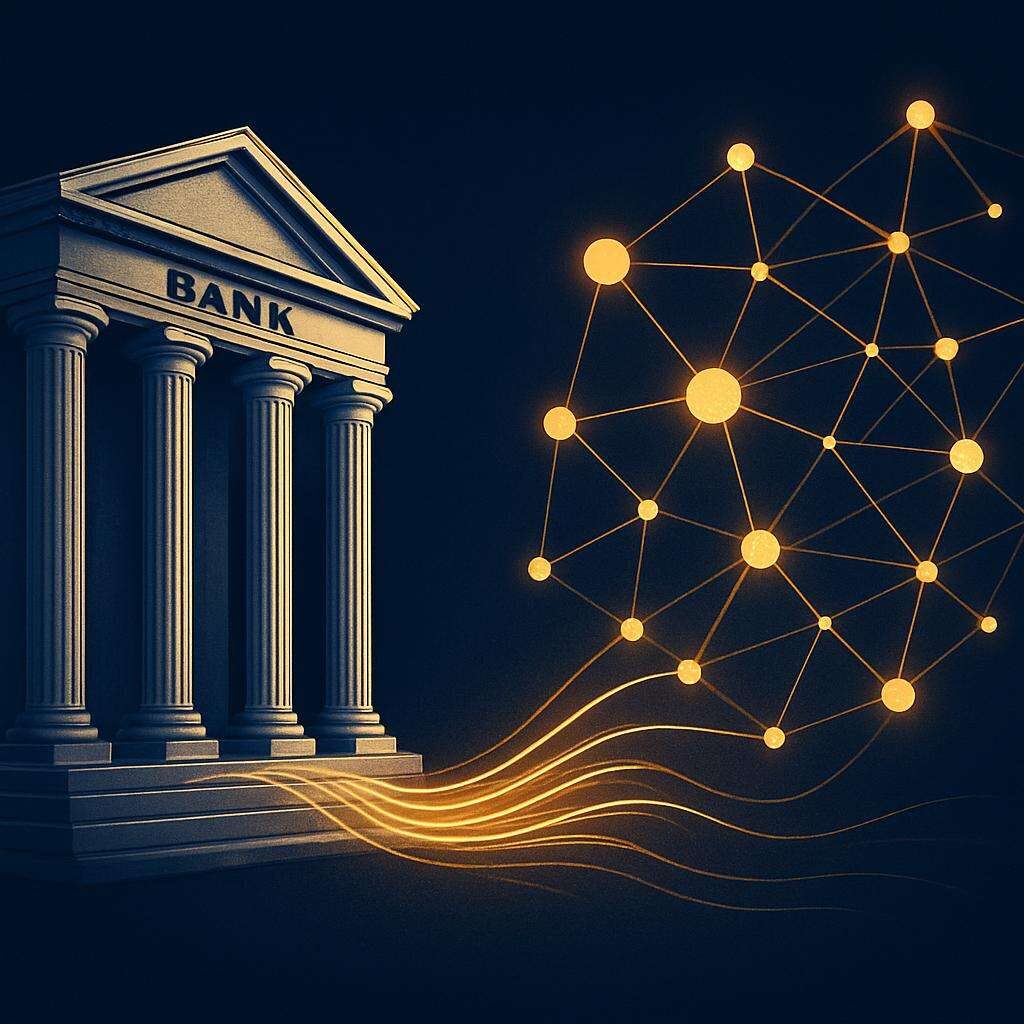
The shadow banking structure relies on informal money brokers, front companies, and digital payment platforms that sit outside the formal banking sector. These channels allow Iranian entities to move funds across borders without triggering the automated screening systems that banks use to flag sanctioned names and jurisdictions.
Because the network is decentralized and often uses shell firms with opaque ownership, it is difficult for banks to trace the ultimate beneficiary of a transaction. That opacity is exactly what makes it attractive to those trying to dodge US and EU restrictions.
Why global banks are on alert
For international banks, the risk is twofold. First, they face potential penalties if they inadvertently process payments linked to the shadow network. Second, they are under pressure from regulators to demonstrate that their compliance programs can catch these hidden flows.
The challenge is that traditional sanctions screening relies on names, addresses, and known identifiers. Shadow banking networks deliberately avoid those markers, using variations in spelling, non-bank intermediaries, and trade-based money laundering techniques to slip through.
Compliance costs and new scrutiny
Banks are now spending more on enhanced due diligence, transaction monitoring, and artificial intelligence tools designed to spot unusual patterns rather than just matching names. But the network's adaptability means that as soon as one loophole is closed, another opens.
Regulators in multiple jurisdictions are asking banks to explain how they handle transactions that touch Iran indirectly, including through third countries. The scrutiny is not limited to US-based institutions; European and Asian banks that operate globally are also being pulled into the conversation.
The situation highlights a broader problem: sanctions are only as effective as the financial system's ability to enforce them. When a country like Iran builds a parallel banking infrastructure, it doesn't just evade penalties—it exposes weaknesses in the global anti-money-laundering framework.
For now, banks are left to navigate a patchwork of rules and expectations, with no single standard for how to identify shadow banking activity. The next few months will likely bring more guidance from regulators, but the underlying tension remains: how do you police a network that was designed to be invisible?