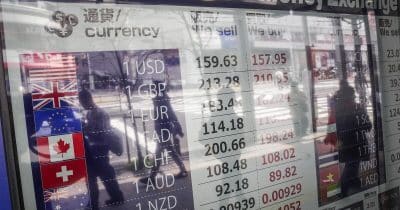
Israel's stock market and currency have taken a sharp hit, becoming the worst performers globally as escalating geopolitical tensions sap investor confidence. The sell-off, which hit both equities and the shekel, underscores the fragility of markets when regional instability flares up.
Markets in freefall
Israeli equities dropped heavily, while the shekel weakened against major currencies, making the country's assets the biggest losers worldwide in recent trading. The combined rout signals that investors are pricing in a higher risk premium for Israeli securities, pulling money out of stocks and the local currency. The moves come amid a backdrop of heightened security concerns that have weighed on sentiment across the region.
Why confidence is cracking
The plunge highlights just how quickly investor confidence can erode when political and military threats escalate. For a country that has long been viewed as a relatively stable emerging market, the sudden flight from its assets marks a shift in risk perception. Traders and fund managers are reassessing exposure, and the sell-off has been broad-based, hitting everything from bank shares to tech stocks.
Global ripples from a regional shock
Israel's turmoil isn't happening in a vacuum. The volatility is feeding into broader risk sentiment, with investors globally growing more cautious. Emerging-market currencies and stock indices elsewhere have felt the pressure, as money flows away from risky bets toward safer havens. The episode serves as a reminder that even localized geopolitical shocks can quickly influence global asset flows.
The question now is how long the pressure lasts. Any further escalation could deepen the sell-off, while a de-escalation might bring some buyers back. For now, the shekel and Tel Aviv shares remain under a cloud, and