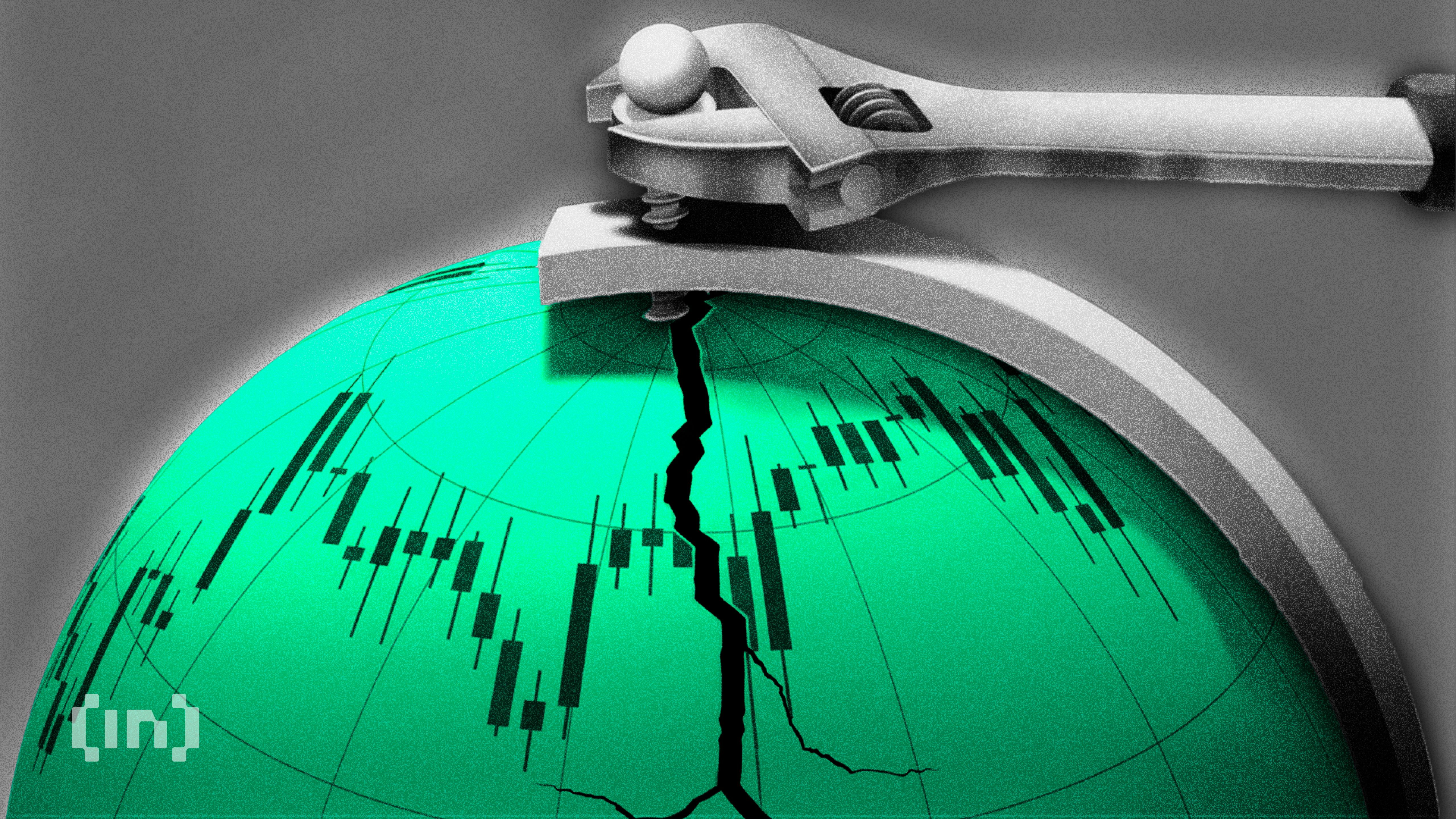
The Jakarta Composite Index has climbed 20% from its early-June low, but the rebound hasn't erased a brutal year. Indonesia's benchmark is still down 25% year to date, the worst performance among major global indexes. The bounce comes as Bank Indonesia raised rates by a combined 100 basis points in May and June, and President Prabowo Subianto scaled back a costly free-meals program, easing fears of fiscal slippage.
Why the Market Turned
Investors have found reasons to step back in. Indonesia's economy grew 5.29% year over year in the second quarter, beating the 5.14% median estimate. S&P Global Ratings affirmed the sovereign credit rating, and the government's decision to trim the free-meals program removed a key worry about budget discipline. Bank Indonesia's aggressive rate hikes in May and June — 100 basis points combined — helped stabilize the currency and cool inflation expectations.
Still, the index remains deep in the red for 2023. MSCI postponed a planned review of Indonesia's market status until November, leaving a question mark over foreign investment flows. The country's benchmark has lagged peers across Asia, and the recovery is fragile.
DCI Indonesia: A Data Center Bright Spot
One company stands out in the earnings season. DCI Indonesia, the country's largest listed data center operator, reported net profit of Rp732.53 billion ($44 million) for the year, up 18.7% from a year earlier. Revenue climbed 33.2% to Rp1.77 trillion, driven almost entirely by colocation services, which made up 94.5% of the total. Only 2.1% of revenue came from affiliated parties, a sign that third-party demand is real.
DCI also invested in the Patriot Bond issued by Danantara, carrying a 2% coupon. That bond now accounts for 6.3% of DCI's total assets. The move adds a fixed-income layer to a business that's otherwise tied to the data center boom.
The AI Infrastructure Play
Southeast Asia's AI buildout has become a physical infrastructure story rather than a software one, according to United Overseas Bank executives. That's good news for companies like DCI, which provide the racks, power, and cooling that AI workloads need. Memory chip demand tied to AI has driven record profit growth at Samsung, and Goldman Sachs has flagged AI investment as a driver reshaping Asian markets — though it hasn't extended that bullishness to the rupiah.
DCI's share price is still down roughly 18.6% over the past year even after this year's bounce. The company's growth is real, but the market hasn't fully rewarded it yet.
The next test comes in November, when MSCI revisits Indonesia's market status. That decision could shift foreign money flows, and it will determine whether the Jakarta Composite can hold its gains or slide back toward the lows.