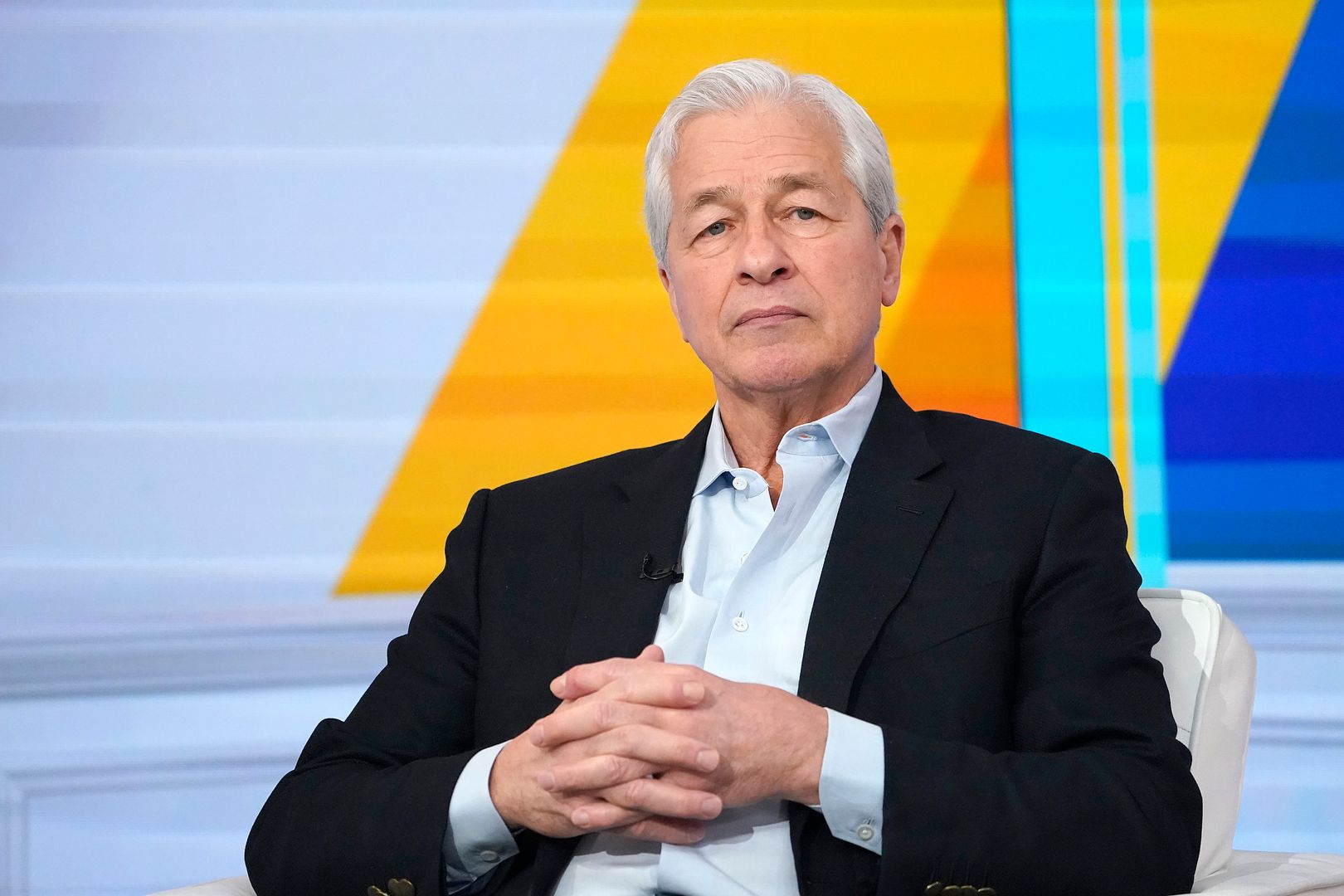
JPMorgan CEO Jamie Dimon is warning that the stock market is showing signs of excessive exuberance, calling on investors to rethink their risk assumptions as inflation remains stubborn and geopolitical tensions simmer. The blunt assessment from one of Wall Street's most influential voices comes at a time when many market participants are betting on a soft landing for the economy. Dimon's message: it's not time to get complacent.
What Dimon said — and why it matters
Dimon didn't mince words. He pointed to potential volatility ahead, urging investors to reassess the risks they're taking on. The warning is notable because JPMorgan is the largest U.S. bank, and its CEO has a track record of calling out frothy conditions before they turn. His view is that the current rally may be built on shaky ground, especially with inflation still above the Federal Reserve's target and conflicts abroad adding uncertainty to global trade and energy prices.
The bank's own analysts have been more cautious than some rivals, but Dimon's personal remarks carry extra weight. He's been warning about economic headwinds for months, and now he's zeroing in on stock-market psychology. “Excessive exuberance” is a phrase he's used before — during the 2021 meme-stock frenzy — and it signals he sees parallels worth heeding.
The backdrop: inflation and geopolitics
Persistent inflation is the biggest worry. Even as price increases have moderated from their 2022 peaks, they're still running hotter than the Fed would like. That keeps interest rates higher for longer, which squeezes corporate profits and consumer spending. Meanwhile, geopolitical tensions — from the war in Ukraine to instability in the Middle East — disrupt supply chains and push up costs for energy and food. Dimon argues that markets are pricing in a rosy scenario that ignores these real-world pressures.
Investors have shrugged off a lot of bad news this year, pushing stocks higher on hopes for rate cuts and a resilient economy. Dimon's warning is a reminder that the path ahead could be rockier than the rally suggests. He's not predicting a crash, but he's saying the odds of a sharp downturn are higher than many assume.
What investors should do now
Dimon's advice is straightforward: reassess risk. That means looking at portfolio allocations, checking exposure to highly valued stocks, and considering hedges against volatility. He's not telling everyone to sell everything, but he is saying the current climate demands more caution than the market's mood implies. For individual investors, the message could mean taking profits in high-flying tech names, shifting toward defensive sectors, or simply holding more cash.
The warning also puts pressure on the Fed. If Dimon is right, the central bank will have to navigate between fighting inflation and avoiding a recession — a balance that gets harder when markets are overextended. The next few months of inflation data and Fed meeting minutes will be crucial.
Unresolved question: will the market listen?
Dimon's track record is mixed. He was early on the 2008 crisis, but he also missed the speed of the 2020 recovery. This time, the market's reaction will be telling. If stocks keep climbing despite his caution, it may reinforce the very exuberance he's warning about. If they pull back, his words could become a self-fulfilling prophecy. Either way, the coming weeks will show whether investors are ready to heed the message — or if they'll keep riding the wave until it breaks.