The Bank of Japan raised its policy rate by 25 basis points to 1% on Friday, pushing borrowing costs to a level not seen in more than 30 years. The decision passed on a split 7-1 vote, reflecting lingering disagreement among board members over the pace of normalization.
A Split Decision
The single dissenting vote came from board member Toyoaki Nakamura, who argued for a more gradual approach. The majority, however, saw conditions ripe for another hike as inflation remains above the bank’s 2% target and wage growth shows signs of broadening. Friday’s move follows a similar increase in July, when the bank raised rates to 0.75%.
Why the Hike Matters
Japan’s benchmark rate hasn’t been at 1% since the early 1990s, when the country’s asset bubble was deflating. The latest increase signals that the BOJ is serious about exiting its long-running ultra-loose policy, even as the economy shows mixed signals. The yen has been under pressure against the dollar, and higher rates could help stem its decline by making yen-denominated assets more attractive.
Fed Bets Signal Divergent Path
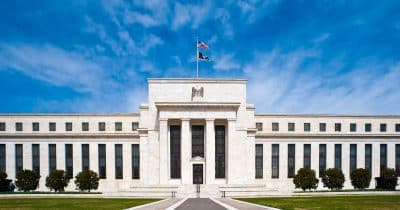
Across the Pacific, the Federal Reserve is expected to take a very different route. Prediction market Polymarket shows a 70% probability that the Fed will make zero rate cuts in 2026, a stark contrast to Japan’s tightening. Traders are betting that the U.S. central bank will hold rates steady well into next year, even as Japan pushes its own rates higher. The divergence could keep currency markets volatile and complicate trade flows between the two economies.
For now, the BOJ’s rate hike is the most aggressive step any major central bank has taken this quarter. Whether it’s enough to anchor inflation expectations or whether further moves are needed remains an open question — one the board will have to answer when it meets again in January.