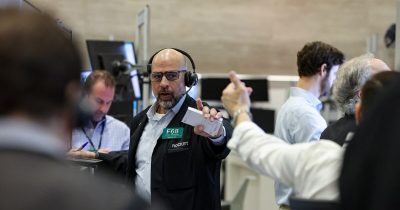
Japan's Financial Services Agency is considering raising the cap on trading volume, a move that comes as artificial intelligence and semiconductor stocks drive a surge in market activity. The change could boost competition, draw global tech money, and improve liquidity for everyday investors.
Why the cap is under review
The agency's review comes amid a rush into AI and chip-related shares, which has pushed trading volumes higher. That surge has put the existing limits under strain, prompting the regulator to look at whether the current rules still make sense. The cap, which restricts how many shares can change hands in a session, was designed to prevent wild swings, but it also keeps out larger players who might want to trade in bigger blocks.
No specific stock or sector has been named as the trigger, but the timing lines up with a broader tech rally that has drawn attention from both domestic and foreign investors. The FSA hasn't said how high the cap might go or when a decision could come, but the review itself signals a willingness to adapt.
What a higher cap could mean
If the cap is raised, the immediate effect would be more room for large trades. That could make the market more attractive to global technology investors who are used to deeper liquidity. It would also intensify competition among brokerages and trading platforms, since more volume means more business to fight over. For individual investors, the benefit is simpler: better prices and faster execution when buying or selling.
None of that is guaranteed. The agency hasn't released details on the proposed change, and it's possible the review leads to no action at all if officials decide the risks of more volatility outweigh the gains. But the potential upside is clear enough that the FSA is willing to take a look.
The backdrop: AI and chip stocks
The recent rally in AI and chip names has been hard to ignore. Companies tied to semiconductors have seen their share prices climb as demand for computing power grows. That has drawn attention from investors who want to get in on the action, and it's the kind of environment where trading caps start to feel like an obstacle.
Japan's market has been courting global tech capital for years, and the FSA's review is a sign that it wants to remove barriers that might push that money elsewhere. A higher cap could also make Tokyo more competitive with other exchanges that offer more flexible trading rules.
The FSA has not set a public deadline for its decision. The review is still in its early stages, and any change to the cap would likely require a formal rule change and a comment period. That means investors shouldn't expect an immediate fix. What they can watch for is any announcement from the agency about a timeline or a proposed cap level.