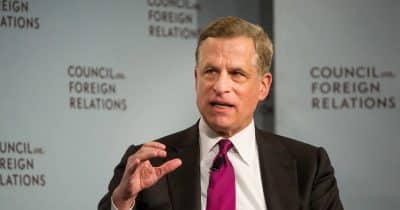
Kalshi CEO Tarek Mansour doesn't lose sleep over Polymarket. Instead, he names CME Group, Robinhood, and sportsbook operators as the real threats to his prediction market exchange. The comment comes as both Kalshi and Polymarket trade nearly identical volumes — roughly $9.8 billion and $9.9 billion over the past 30 days, according to DeFi Rate.
A $9.8 billion month
Kalshi holds about 91% of the regulated US prediction market, according to Bank of America analysts. Polymarket runs second, Underdog third. The exchange also commands roughly $1 billion of the $1.6 billion in industry open interest and lists about 97% of all active markets. The 2026 World Cup supercharged activity: a single winner market drew tens of millions in daily bets on both platforms.
CME's FanDuel Predicts and Robinhood's hub
CME Group launched FanDuel Predicts with FanDuel in December, trading event contracts on sports outcomes and economic data. Robinhood built its prediction markets hub on Kalshi's exchange in 2025, then started routing some World Cup and baseball contracts to Rothera, its venue with Susquehanna. DraftKings, Novig, and Coinbase have all jumped in. Polymarket runs on an offshore platform, drawing heavy US volume from users on VPNs.
Insider trading charges and a CFTC proposal
Two federal indictments underscore the risks. Army soldier Gannon Van Dyke allegedly turned $33,000 into $400,000 betting on the Maduro operation timing. Google engineer Michele Spagnuolo allegedly made $1.2 million betting on Google's most-searched person of 2025. Meanwhile, the CFTC proposed a 267-page rule on June 10 that would permit most sports contracts while banning in-game props, officiating bets, and pre-collegiate sports. The comment window is 45 days.
Google Finance integration
Google Finance integrated data from both Kalshi and Polymarket in 2025, giving the sector mainstream visibility. The next milestone: the CFTC will decide how far regulated markets can go.