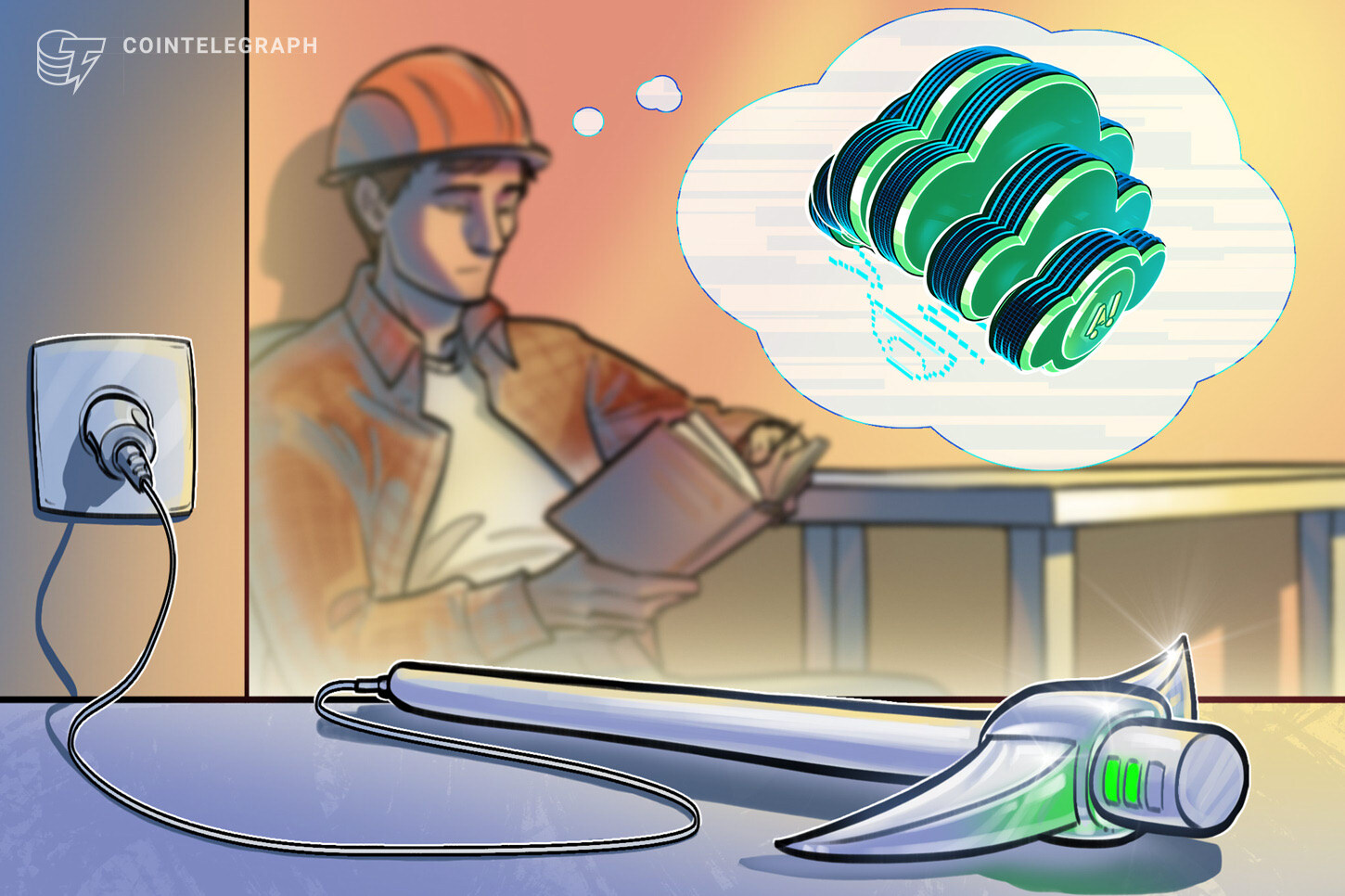
Keel Infrastructure has decommissioned all of its U.S. bitcoin mining operations, the company said this week, marking a full exit from the sector it once helped build. The firm is converting its power-rich sites for AI and high-performance computing, a pivot that comes as its second-quarter revenue dropped 50% and it sold 1,085 BTC to fund the transition.
Why the exit now
The move isn't a surprise to anyone who watched the numbers. Keel's mining revenue halved in the second quarter, and the company has been selling its bitcoin reserves to keep the lights on. It sold 1,085 BTC during that period, a sign that the old model wasn't covering costs. The decommissioning is the logical end of that slide.
Keel says it has $819 million in liquidity to fund the development of its new AI and high-performance computing business. That's a war chest, but it's also a statement of intent: the company is betting its future on data centers, not digital gold.
What happens to the mining sites
The company's U.S. facilities, which once hummed with ASIC miners, are being repurposed. Keel is converting those sites to host AI workloads and high-performance computing, a shift that requires different infrastructure—more cooling, more networking, more power density. The company hasn't said which specific sites are first in line, but the power contracts are the obvious draw.
For a miner, electricity is the biggest cost. For an AI data center, it's the whole point. Keel's sites were built to draw cheap, reliable power, and that's exactly what AI companies are desperate for. The pivot makes sense on paper, but it's a different business with different customers and different margins.
The bitcoin sales continue
Keel sold 1,085 BTC in the second quarter, and the decommissioning means those sales are likely to keep coming as the company liquidates its remaining holdings. The company didn't disclose how much bitcoin it still holds, but the trend is clear: it's cashing out to fund the new direction.
The revenue drop and the sales paint a picture of a company in transition, not collapse. The $819 million liquidity figure suggests Keel has room to maneuver, but it's also burning through its reserves to build something new. The next few quarters will show whether the AI bet pays off.
Keel is expected to provide more details on its AI conversion timeline in its next earnings call, which hasn't been scheduled yet. The company's ability to land its first AI tenant will be the real test—until then, the bitcoin sales are just a bridge to something unproven.