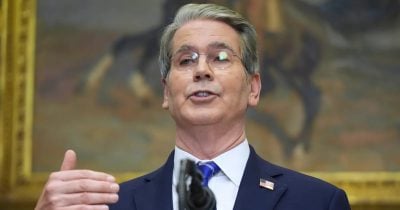
Kevin Warsh, the nominee to lead the Federal Reserve, is facing questions about his personal crypto holdings. The scrutiny comes as he prepares to take over an institution that plays a key role in regulating digital assets. The issue isn't just about Warsh's portfolio — it's about what it signals for the Fed's independence and its approach to crypto markets.
The crypto holdings question
Details of Warsh's crypto investments remain unclear, but the mere existence of a substantial position in digital assets has drawn attention. Critics argue that a Fed chair with a direct financial interest in crypto could face conflicts when setting policy on stablecoins, custody rules, or central bank digital currencies. Supporters counter that Warsh's experience in financial markets is exactly what the Fed needs — and that his holdings are a sign of engagement, not a liability. The Senate Banking Committee is expected to press him on this during confirmation hearings scheduled for next month.
Fed independence concerns
Warsh's nomination already stirred debate over the Fed's political independence. The crypto holdings add a new layer. Some worry that his personal interests could align too closely with an industry that wants lighter regulation, potentially undermining the Fed's credibility as a neutral arbiter. Others see the scrutiny as overblown — pointing to past Fed chairs who held stocks or bonds without issue. But crypto's volatility and regulatory gray area make this different. If Warsh's holdings are large enough, he could face recusal requirements on key decisions.
Market and regulatory stakes
For the crypto industry, Warsh's potential leadership is a two-sided coin. A Fed chair who understands digital assets might craft smarter rules. But if the confirmation fight drags on over disclosure demands, it could delay regulatory clarity that the market badly needs. This week, several crypto lobby groups have already signaled they'll support Warsh, while consumer advocacy groups are pushing for full public disclosure of his holdings. The outcome will set a precedent for how the Fed handles conflicts of interest in the digital age.
What happens next? The Senate Banking Committee hasn't yet scheduled a vote. But with the controversy growing — and the crypto angle turning into a central flashpoint — Warsh's team is likely preparing detailed financial disclosures. Whether that's enough to satisfy skeptics remains the open question.