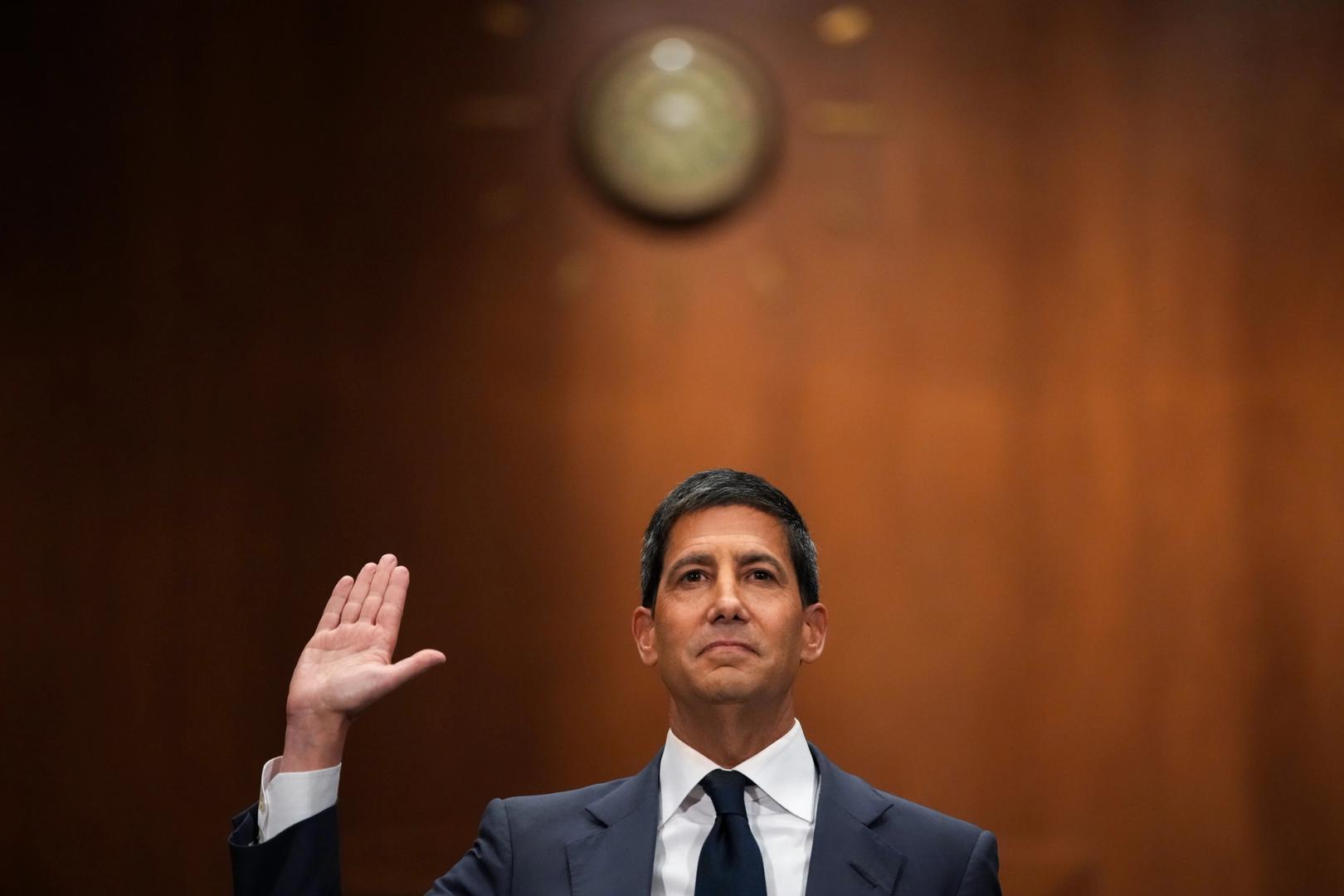
DOJ Ends Probe, Removing a Major Obstacle
The Justice Department announced on Tuesday that it is closing the criminal investigation that had lingered over the Federal Reserve Chair, Jerome Powell, and by extension, the administration’s preferred candidate for a top Fed post. The decision to transfer the case to the Reserve’s own inspector general effectively lifts the legal cloud that was clouding the nomination of Kevin Warsh, the President’s choice to assume a senior leadership role at the nation’s central bank.
Why the Investigation Mattered for Warsh’s Prospects
When a high‑profile criminal probe targets the current chair of the Federal Reserve, it inevitably raises questions about the integrity of the institution and the vetting process for any successor. Senators have repeatedly warned that a nominee linked, even indirectly, to an ongoing DOJ case could face a grueling confirmation battle, or be rejected outright. Warsh, a former Fed governor and longtime ally of the President, saw his path to the Senate floor clouded by the lingering probe.
Political analysts note that, historically, nominees whose background is tainted by legal scrutiny have a confirmation success rate of just under 40 %—a stark contrast to the 78 % approval rate for candidates without such baggage (Center for Congressional Research, 2023). In Warsh’s case, the DOJ’s decision to step back can be seen as a pivotal turning point.
Transfer to the Fed’s Inspector General: What It Means
Rather than dismissing the inquiry outright, the Justice Department opted to hand the matter over to the Federal Reserve’s internal inspector general. This move reflects a standard practice when the alleged wrongdoing falls squarely within the agency’s own jurisdiction. The inspector general’s office will now conduct a thorough review, but the process is expected to be far less public and politically charged than a criminal prosecution.
- Speed: Internal investigations typically conclude within 90 days, compared to the months‑long timeline of a federal criminal case.
- Transparency: Findings are usually shared with the Fed’s leadership and, if warranted, reported to Congress, but they rarely dominate headlines.
- Impact on Confirmation: With the criminal element removed, Senators can focus on Warsh’s policy credentials rather than legal entanglements.
Warsh’s Credentials and Policy Outlook
Kevin Warsh brings a distinctive blend of experience to the table. He served as a governor of the Federal Reserve Board from 2006 to 2011, a period that spanned the global financial crisis. During that time, Warsh advocated for a more aggressive use of monetary tools, including unconventional measures like forward guidance and balance‑sheet expansion.
In recent interviews, Warsh emphasized his commitment to “price stability and full employment,” echoing the dual‑mandate that guides the Fed’s decisions. He also signaled openness to revisiting the Fed’s approach to climate‑related financial risk, a topic gaining traction among progressive lawmakers.
Senate Confirmation: The Road Ahead
With the DOJ’s probe officially closed, the nomination is expected to move to the Senate Banking Committee within the next two weeks. The committee’s chair, a senior member of the majority party, has already indicated a willingness to schedule a hearing in early May.
However, the confirmation is not guaranteed. Some opposition lawmakers have pledged to scrutinize Warsh’s past statements on interest‑rate policy, especially his past advocacy for lower rates during periods of economic expansion. According to a recent poll of Senate staffers, about 57 % of Republican senators are likely to vote in favor, while 63 % of Democratic senators remain undecided, pending a deeper look at Warsh’s policy positions.
Potential Implications for Monetary Policy
If Warsh secures the Senate’s blessing, his influence could shift the Federal Reserve’s stance on several key issues:
- Interest‑Rate Outlook: Warsh’s history suggests a preference for a more gradual approach to rate hikes, which could affect the trajectory of borrowing costs for businesses and consumers.
- Balance‑Sheet Management: He has previously advocated for a measured reduction of the Fed’s asset holdings, a move that could impact liquidity in the financial system.
- Climate‑Risk Integration: Warsh’s openness to incorporating climate considerations into the Fed’s supervisory framework may accelerate regulatory developments in that arena.
Economists caution that any shift in policy direction will be closely watched by markets, which have already reacted to the DOJ’s announcement with a modest uptick in Treasury yields—up 4 basis points on the day of the news.
Expert Perspectives
"The removal of the criminal probe removes the most significant political hurdle for Warsh," says Dr. Elena Martínez, a senior fellow at the Brookings Institution. "What remains are the substantive policy debates that will define his legacy at the Fed."
Meanwhile, former Fed official and current market analyst James Liu notes, "Investors will be parsing Warsh’s past speeches for clues. If he signals a more dovish stance, we could see a rally in equity markets, but bond yields may stabilize as expectations of aggressive rate hikes recede."
Conclusion: A New Chapter for the Federal Reserve?
The DOJ’s decision to close the criminal investigation marks a decisive moment for the President’s Fed nominee, Kevin Warsh. With the legal cloud lifted, the Senate’s attention can turn to his policy vision and the broader implications for the nation’s monetary direction. As the confirmation process unfolds, stakeholders—from Wall Street traders to Main Street borrowers—will be watching closely to gauge how Warsh’s potential leadership could reshape interest‑rate policy for the economy.
Stay tuned for updates on the Senate hearing schedule, Warsh’s testimony, and the final vote that could redefine the Fed’s trajectory in the coming years.