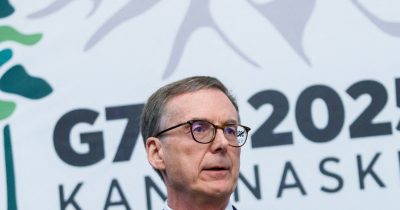
Bank of Canada Governor Tiff Macklem said the central bank expects inflation to ease gradually, pointing to the recent decline in oil prices as a key factor. But he also warned that persistent geopolitical tensions could throw that trajectory off course and complicate the bank's policy decisions.
The Oil Price Factor
Macklem noted that lower oil prices are already feeding into the inflation outlook. Crude has fallen sharply in recent months, easing one of the main cost pressures that had been driving consumer prices higher. The governor said this should help bring the overall inflation rate down in a measured way, without the need for aggressive policy moves.
Still, the decline in oil is only one piece of the puzzle. Core inflation measures remain sticky, and the bank is watching how businesses pass along costs to consumers. Macklem's comments suggest the central bank sees a path to its 2% target, but it won't be a straight line.
Geopolitical Wild Cards
The governor warned that ongoing geopolitical tensions could disrupt the easing trend. He didn't specify which conflicts, but the reference covers everything from the war in Ukraine to instability in the Middle East and trade frictions. Any escalation could send energy prices back up, reignite supply chain problems, or shake confidence.
Macklem said such shocks would force the bank to reassess its policy plans. If inflation stays higher for longer due to external factors, the Bank of Canada might have to keep interest rates elevated or even raise them again. That's a risk the central bank is watching closely.
Policy Implications
The Bank of Canada has held its key interest rate at 5% since July, waiting for clearer signs that inflation is sustainably heading down. Macklem's latest remarks suggest the bank is leaning toward a hold, but the door remains open to further hikes if needed.
Markets have been pricing in rate cuts later this year, but the governor's cautious tone may temper those expectations. He emphasized that the bank is data-dependent and will not hesitate to act if inflation proves stubborn. The geopolitical factor adds another layer of uncertainty to an already complex outlook.
The Bank of Canada's next rate decision is scheduled for March 6. By then, policymakers will have fresh inflation data and a clearer picture of oil price trends. Macklem's message is clear: the path to lower inflation is visible, but it's fragile. Any geopolitical flare-up could force the bank to change course.