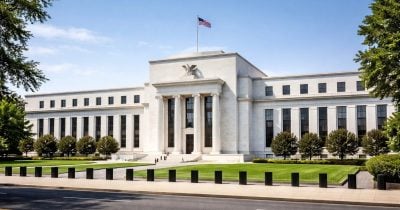
A fresh survey of the manufacturing sector reveals that inflation worries among producers are now more intense than during the pandemic era. The findings add new pressure on the Federal Reserve to keep interest rates elevated, a stance that could slow economic growth and complicate the central bank's monetary policy path.
What the survey found
The survey, conducted among manufacturers, indicates that concerns over rising costs and price pressures have surpassed the levels seen at the height of the COVID-19 crisis. Respondents pointed to persistent supply chain disruptions, higher input costs, and labor shortages as key drivers. The data suggests that inflation is not cooling as quickly as many had hoped, raising the risk that the Fed will need to maintain its restrictive policy longer than previously anticipated.
Pressure on the Federal Reserve
The heightened inflation concerns directly challenge the Fed's recent narrative that price increases are moderating. With manufacturing sentiment souring, the central bank faces a difficult choice: hold rates steady and risk further economic drag, or signal a pivot that could reignite inflation. The survey results strengthen the case for a prolonged period of high interest rates, as policymakers weigh the risk of doing too little against the risk of doing too much.
Potential impact on the economy
Prolonged high interest rates would ripple through the broader economy. Borrowing costs for businesses and consumers would stay elevated, potentially dampening investment and spending. The manufacturing sector, already grappling with weak demand, could face additional headwinds. For the Fed, the survey complicates the delicate balance between taming inflation and avoiding a recession. The next policy meeting will be closely watched for any shift in tone or guidance on the rate outlook.