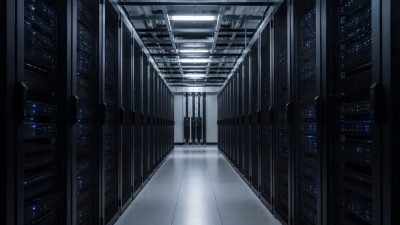
The Midcontinent Independent System Operator, the grid manager for a broad swath of the central U.S., has put forward a set of proposed reliability rules aimed squarely at data centers and other large power consumers. The plan, if adopted, would change how these facilities draw electricity, with the stated goal of keeping the grid stable as demand from them keeps climbing.
What the proposal targets
MISO's proposal focuses on the biggest users on its system — the kind of facilities that can pull as much power as a small town. Data centers, in particular, have grown rapidly in recent years, and their appetite for electricity shows no sign of slowing. The new rules would apply to those customers, along with any other large industrial or commercial operations that place heavy demands on the grid.
The details are still being worked out, but the thrust is clear: these customers would need to be more mindful of how and when they use power. That could mean adjusting operations during peak periods, investing in more efficient equipment, or finding other ways to reduce strain on the system. The proposal doesn't spell out every requirement yet, but it sets the direction.
Why the grid operator is stepping in
MISO oversees the flow of electricity across 15 states and the Canadian province of Manitoba. Its job is to keep the lights on, and that's getting harder as large loads come online. Data centers run around the clock, and their power needs can spike suddenly. When a big facility ramps up, it can put pressure on local lines and even the wider grid.
The proposal is a response to that pressure. By putting new obligations on the largest consumers, MISO hopes to avoid situations where a single facility's demand threatens reliability for everyone else. It's a preventive move, not a reaction to a specific blackout or crisis.
What it could mean for energy strategies
If the rules take effect, data center operators and other large users will have to rethink their energy plans. The days of simply plugging in and drawing whatever they need may be numbered. Instead, they'll likely need to build in more flexibility — whether that means shifting workloads to off-peak hours, installing on-site storage, or signing up for programs that let the grid operator dial back their usage when necessary.
That's a shift from the current approach, where many large consumers treat electricity as a fixed cost. The proposal could push them to innovate, finding new ways to stay efficient while also helping the grid stay stable. Some may even see it as an opportunity to cut their energy bills, since efficiency often pays off in the long run.
But it won't be without challenges. Data centers are built for reliability themselves, and any new constraints on their power supply could complicate their operations. The proposal will need to strike a balance between grid needs and the practical realities of running a 24/7 facility.
Next steps
The proposal is now in the hands of MISO's stakeholders. A public comment period is expected, giving data center operators, utilities, and other interested parties a chance to weigh in. After that, MISO's board will decide whether to adopt the rules, modify them, or send them back for more work.
No timeline has been set for a final decision, but the process is underway. For now, the largest power users on MISO's system are watching closely — and starting to think about what these rules will mean for their bottom lines.