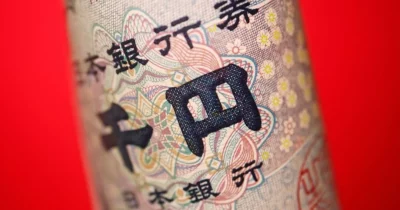
The head of Mizuho Financial Group is pushing the Bank of Japan to raise interest rates aggressively—a move he argues would breathe life into the country's sluggish bond market. In a public call that stands out among Japanese banking leaders, the Mizuho CEO said a bold rate hike could strengthen the yen, reshape global bond markets, and shift how Japanese investors deploy their money abroad.
The case for a bigger move
Japan's central bank has inched away from its long-running ultra-loose policy, but the Mizuho chief thinks it's not enough. He's advocating for a sharper increase than what markets currently expect. The logic: higher rates would make Japanese government bonds more attractive, drawing buyers back into a market that has been distorted by years of yield-curve control. A revival in the bond market, he contends, would help stabilize the financial system and give investors a clearer signal for pricing risk.
A rate hike of that magnitude wouldn't stop at Japan's borders. A stronger yen would ripple through currency markets, potentially hitting exporters' profits while making imports cheaper. Overseas, investors holding Japanese bonds could see their returns rise, but they'd also face currency risk from a yen that's suddenly more expensive to hedge.
Japanese institutions—pension funds, insurers, and retail investors—are among the world's biggest buyers of foreign assets. If the BOJ raises rates decisively, some of that money could stay home, drawn by higher domestic yields. That shift would pull capital out of U.S. Treasuries, European sovereign debt, and emerging-market bonds, raising borrowing costs for governments and companies worldwide.
For years, Japan's low rates have fueled a massive carry trade, where investors borrow cheap yen to buy higher-yielding assets elsewhere. A bold BOJ move would upend that strategy. The yen would likely strengthen as the trade unwinds, and leveraged positions could get squeezed. The impact on global stock and bond markets could be sudden, though the Mizuho CEO argues it's a necessary reset.
The debate inside Japan
Not everyone in Tokyo's financial world agrees with the call. Some worry that hiking too fast could choke off a fragile economic recovery. Inflation has been above the BOJ's 2% target for months, but wage growth—a key condition for sustained tightening—remains patchy. The central bank has stressed it will move gradually, guided by data.
The Mizuho CEO's comments add pressure on the BOJ to act more decisively at its upcoming meetings. For now, the central bank has kept its benchmark rate near zero, but markets are betting on at least one more increase this year. The question is how bold that increase will be—and whether the bond market will get the boost the Mizuho chief envisions.