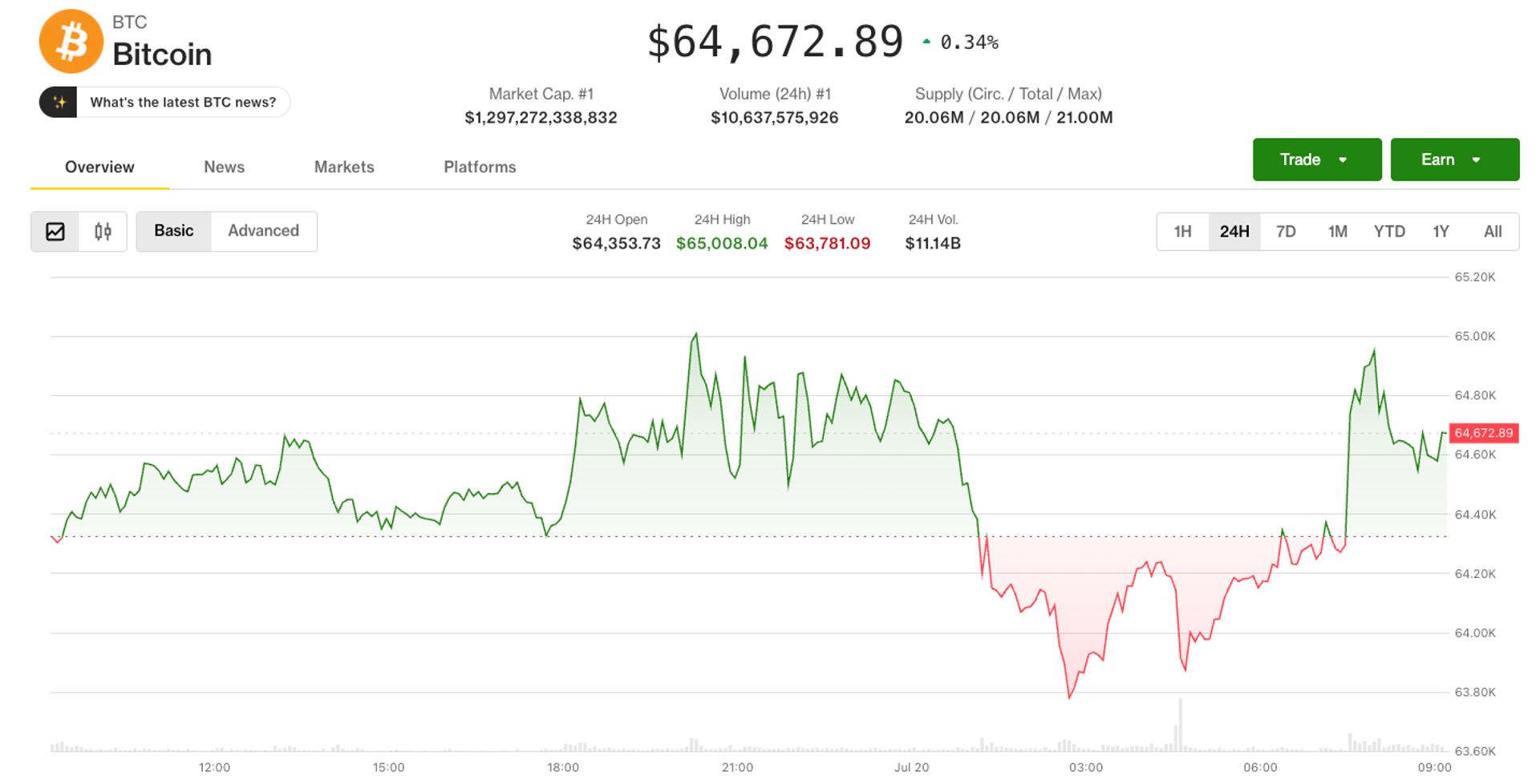
Israeli Prime Minister Benjamin Netanyahu vowed Monday to press on with military operations against Iran, a pledge that's already rattling oil markets and sending shockwaves through crypto. The conflict is driving a surge in crypto volatility, with capital flight accelerating from Iranian exchanges as traders scramble to move assets offshore.
Oil fears and crypto volatility
The military campaign is stoking fears of supply disruptions in the oil market. That's spilling into crypto, where traders are pricing in broader geopolitical risk. Volatility has spiked across major tokens, with sharp swings in both directions over the past 48 hours. The correlation between oil price jitters and crypto moves is hard to ignore — when the region burns, digital assets tend to shake.
This isn't a normal market correction. It's a geopolitical shock, and the crypto market is reacting accordingly. The VIX of crypto — implied volatility — is climbing fast.
Capital flight from Iranian exchanges
On the ground in Iran, the picture is more acute. Capital flight from local exchanges has accelerated as the conflict intensifies. Users are moving funds to foreign platforms or converting to stablecoins in a bid to preserve value. The rial has been under pressure for years, but the current military escalation is pushing more Iranians to seek crypto as a hedge — or a way out.
Iranian exchanges are seeing a surge in withdrawal requests. Some are struggling to maintain liquidity as outflows outpace deposits. The situation is fluid, and the risk of exchange-level stress is real.
What comes next
Netanyahu's vow suggests no immediate de-escalation. The military campaign will continue, and with it the oil price fears and crypto volatility. For Iranian exchanges, the capital flight is unlikely to reverse anytime soon. The question now is how long the market can absorb the shock before it breaks something.