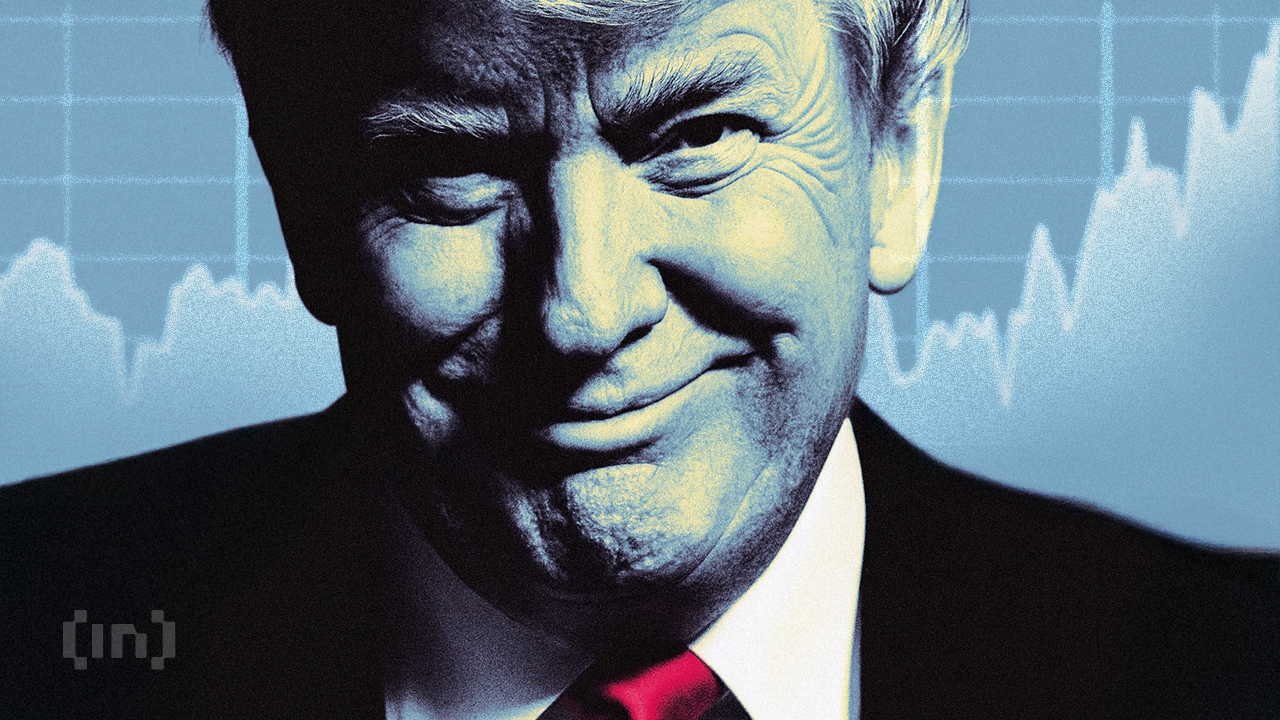
Kevin Warsh, in his first press conference as Federal Reserve chair, made clear the central bank will not tolerate high inflation. The statement signals a potentially aggressive shift in monetary policy that could ripple through borrowing costs, consumer spending, and investment strategies.
The New Fed Chair’s Message
Warsh, who took the helm at the Fed amid rising price pressures, used his debut press conference to draw a line. He said the central bank’s primary focus is price stability and that it would act decisively to keep inflation in check. The tone was notably more hawkish than recent Fed communications, though Warsh did not specify what measures he might favor or how quickly they could come.
What Higher Borrowing Costs Could Mean
If Warsh follows through, the first effect would likely be higher interest rates. Mortgages, car loans, and business credit would all become more expensive. Companies that rely on cheap debt to fund expansion could pull back on hiring and investment. The housing market, already sensitive to rate changes, could see demand cool further.
Consumer Spending and Investment Under Pressure
Households face a double squeeze: higher prices at the store and higher costs for borrowing. Warsh’s stance suggests the Fed would rather slow the economy than let inflation run. That could trim consumer confidence and curb spending on big-ticket items. For investors, the new posture means rethinking portfolios that were built around low rates. Equities that trade on future earnings growth may take a hit, while bonds could offer better yields but more volatility.
Markets React to Hawkish Tone
Financial markets rarely welcome a hawkish surprise. In the hours after the press conference, traders began pricing in a faster pace of rate increases. The dollar strengthened against major currencies, and bond yields rose on expectations of tighter policy. The S&P 500 dropped as investors recalibrated growth forecasts. Warsh did not comment on specific market moves, but his inflation-first message left little room for doubt about the Fed’s priorities.
The next test comes at the Fed’s policy meeting in March, when the new chair will have to put words into action. Until then, businesses and consumers will be watching for any hints on the pace and scale of rate hikes.