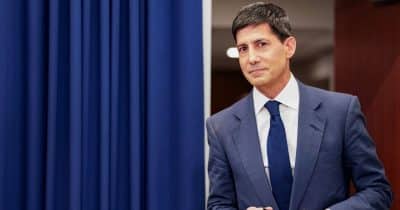
Kevin Warsh, the newly appointed Federal Reserve Chair, is wasting no time putting his stamp on monetary policy. In his first major move, Warsh has announced a restructuring of the Federal Open Market Committee's decision-making process—moving to a single-proposal meeting format. The change, described by sources close to the central bank as a clear regime shift, could ripple through financial markets by tightening conditions and reshaping yield curves.
Why the meeting structure matters
Under the old system, FOMC members debated multiple policy options during each meeting, often leading to gradual compromises and a slow-moving consensus. Warsh's single-proposal model forces the committee to focus on one preset framework for rate decisions and balance sheet policy before the meeting even begins. That means less back-and-forth and potentially faster, more decisive actions. But it also introduces a new rigidity: if economic data shifts suddenly between meetings, the committee may be slower to adjust. The streamlined approach is intended to reduce uncertainty for markets, but several traders and analysts have warned that it could amplify volatility if the single proposal is out of step with reality.
The immediate expectation is that Warsh's Fed will lean hawkish. By concentrating the committee's deliberations on a single path, the central bank can signal its intentions more clearly—and more forcefully. That clarity often translates into tighter financial conditions: higher real yields, a stronger dollar, and lower appetite for risk assets like equities and high-yield bonds. Bond markets have already begun repricing, with the yield on the 10-year Treasury note moving higher in recent sessions. Some portfolio managers are bracing for a prolonged period of subdued stock returns if the Fed sticks to a single-proposal script that prioritizes inflation control over growth support.
No CBDC threat—for now
Despite the sweeping procedural change, Warsh has made it clear that a central bank digital currency isn't on the table. The new chair does not view a CBDC as a necessary tool for modernizing the payments system, and his policy framework does not include any plans to issue one. This stance puts Warsh at odds with some of his global counterparts—the European Central Bank and the People's Bank of China are both actively developing digital currencies—but it aligns with his focus on streamlining existing monetary tools rather than adding new ones. For now, commercial banks and crypto markets can breathe easier knowing the Fed won't launch a digital dollar under Warsh's leadership.
The first FOMC meeting under the single-proposal rule is expected in the coming weeks. Investors and economists will be watching closely to see whether the new format delivers the clarity Warsh promises—or introduces a new set of risks.