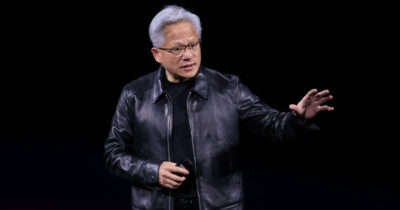
Nvidia has brought in sales and marketing leaders from Google and Microsoft, a move the company is framing as a shift toward selling complex enterprise AI solutions rather than just chips. The hires were confirmed this week and signal a change in how Nvidia plans to approach its largest customers.
The two executives, whose names haven't been disclosed, will take on senior roles focused on expanding Nvidia's reach into corporate AI deployments. The company has spent the past year riding a surge in demand for its graphics processors, but the new hires suggest it wants a bigger piece of the software and services layer that surrounds them.
Why Nvidia is looking beyond the chip
Nvidia's data center business has been the engine of its growth, driven by sales of GPUs that power AI models. But as more companies move from experimenting with AI to running it in production, the sales conversation has gotten more complicated. Enterprise customers want integrated systems — hardware, software, and support — not just raw compute. That's where the new hires come in.
Both Google and Microsoft have built large enterprise sales organizations around cloud and AI services. Bringing in leaders from those companies gives Nvidia playbooks for dealing with CIOs and IT departments that expect a full solution. It also puts Nvidia in more direct competition with the cloud providers that are both its customers and its rivals.
The talent shuffle across AI
Nvidia isn't alone in raiding the big cloud firms for sales talent. The demand for people who can sell AI systems has grown as companies across the sector try to turn technical leads into revenue. Google and Microsoft have deep benches of sales leaders who understand how to pitch complex, multi-year contracts — exactly the kind of deals Nvidia wants to close.
The hires also reflect a broader shift in Nvidia's customer base. Early AI adopters were research labs and tech giants with their own engineering teams. Now, banks, retailers, and manufacturers are buying AI infrastructure, and they need more hand-holding. Nvidia's sales force has to speak their language.
Wall Street has been watching Nvidia's revenue mix closely. If the company can sell more software and services alongside its hardware, it could smooth out the cyclical swings that come with chip sales. But it also means higher operating costs and a more complex business to manage. Investors will be looking for signs that the new sales strategy is translating into deals.
Nvidia hasn't said when the new hires will start or what specific titles they'll hold. The company also hasn't disclosed whether the hires are part of a larger reorganization of its sales team. Those details could come at the company's next earnings call, when executives typically face questions about growth drivers and competition.
The competitive landscape
Nvidia's move comes as AMD and Intel ramp up their own AI chip offerings, and as cloud providers develop custom silicon to reduce their reliance on Nvidia. The company's dominance in AI training has given it pricing power, but the enterprise market is more fragmented. Selling full solutions could help Nvidia defend its turf.
For now, the hires are a signal. Nvidia is staffing up for a fight that's less about benchmark speeds and more about who can deliver a working AI system to a Fortune 500 company. The next earnings report will be the first real test of whether that bet is paying off.