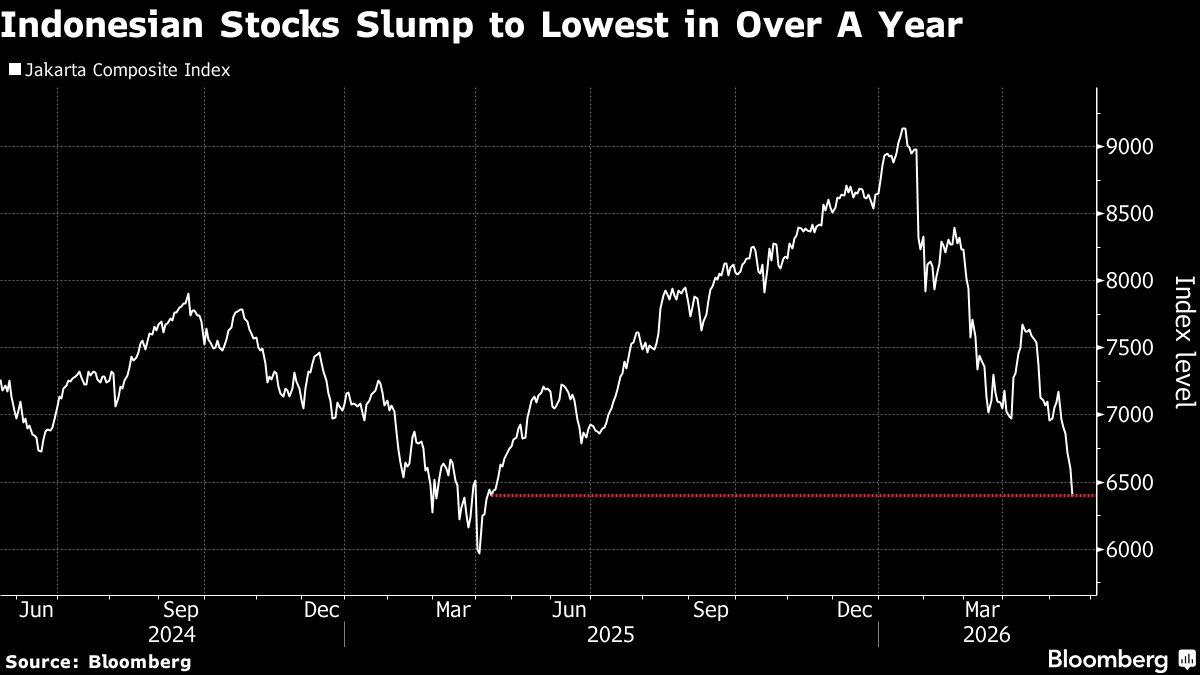
OECD Secretary General Mathias Cormann said on the sidelines of a Group of Seven meeting this week that risks to the global economy have worsened because of the prolonged conflict in the Middle East. The statement adds a fresh bearish catalyst to crypto markets already deep in fear territory, with the Fear & Greed index at 30 and trading volumes running low.
What Cormann said
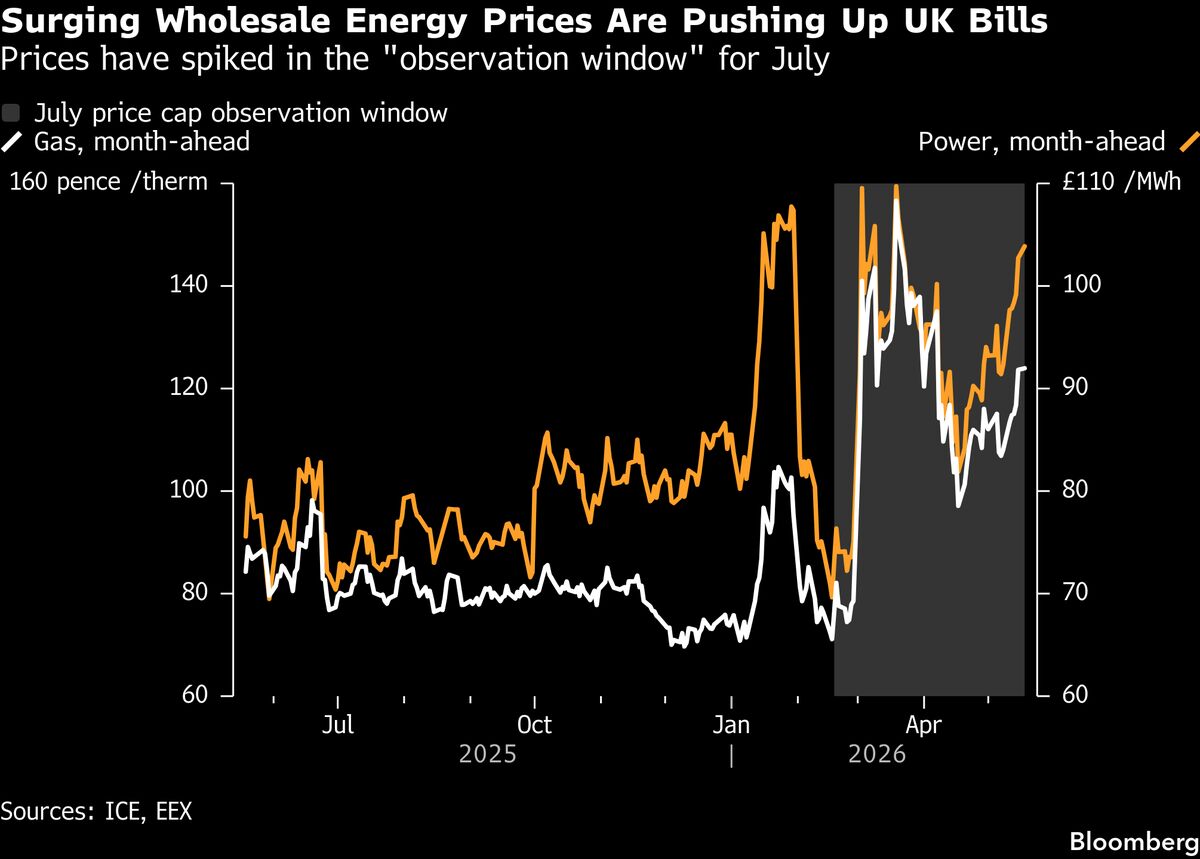
Cormann did not offer new forecasts but pointed to the ongoing Middle East conflict as the primary driver of worsening risks. The conflict has already disrupted supply chains, pushed energy costs higher, and kept inflation sticky — factors that make it harder for central banks to cut rates. For crypto, that means liquidity will stay tight and risk appetite suppressed.
📊 Market Data Snapshot
Market mood turns darker
Bitcoin and Ethereum have been drifting lower on thin volume, with no clear catalyst for a rebound. The OECD warning reinforces the bearish macro narrative that has kept prices range-bound. BTC dominance remains high, suggesting altcoins are underperforming. At Fear & Greed 30, any negative headline can trigger a sharper move than usual. Traders are watching key support levels closely, as a break below could accelerate losses through stop-loss cascades.
The hidden risk: Iranian Bitcoin mining
Beyond the immediate sentiment hit, the OECD warning brings attention to a less-discussed vulnerability: Bitcoin mining in the Middle East. Iran, which benefits from heavily subsidized electricity, accounts for a significant portion of global hashrate. Any escalation that damages energy infrastructure — from sanctions to military action — could force Iranian miners offline. A sudden hashrate drop would delay the next difficulty adjustment and could prompt miners to sell reserves to cover costs, adding selling pressure. Rising oil prices from the conflict could also raise electricity costs for miners in neighboring countries, triggering a hash rate migration.
What to watch
The immediate risk is that a break below key support turns a routine dip into a cascade as stop-losses and options hedging kick in. The OECD's warning underscores that the macro environment for risk assets remains hostile. For crypto, the channels of transmission go beyond just risk appetite — the conflict could directly hit the network's mining backbone. Whether that scenario materializes depends on how the conflict evolves, but the warning from Cormann makes it clear that the window for a quick resolution is closing.