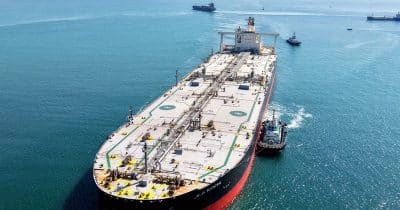
Oil prices tumbled 4% Monday after the United States and Iran struck a peace deal that will reopen the Strait of Hormuz. The agreement removes the biggest threat to global oil flows through the narrow waterway, which handles about a fifth of the world's petroleum. Traders responded by dumping crude, sending benchmarks to their lowest level in weeks.
The Strait of Hormuz deal
The U.S. and Iran finalized the deal over the weekend, though details remain sparse. What's clear is both sides agreed to end the standoff that shut the strait in recent months. The reopening means tankers can once again move freely, and that's a direct hit on oil prices.
The strait is the only sea passage from the Persian Gulf to the open ocean. When it closed, supply fears drove crude up. Now that it's opening, the risk premium is evaporating. The deal also signals a broader diplomatic thaw between the two longtime adversaries.
Market reaction
Brent crude fell more than $3 a barrel in early trading. West Texas Intermediate followed close behind. The 4% drop is one of the biggest single-day moves this year. Energy stocks also took a hit, with major producers losing 2% to 3% in value.
Investors had been pricing in a prolonged closure. The sudden reversal caught many off guard. Some traders had even bet on further escalation. Now they're scrambling to unwind those positions.
Broader economic impact
Lower oil prices could ease inflation pressures that have been squeezing households and businesses worldwide. Central banks, already grappling with high energy costs, may get some breathing room. The deal also has a side effect: it boosts risk sentiment across financial markets.
Stocks in Asia and Europe edged higher on the news. The dollar weakened slightly, and bond yields ticked up as investors shifted toward riskier assets. The oil drop acts like a tax cut for consumers, especially in countries that import most of their energy.
But questions remain. Will the deal hold? Both sides have a history of broken promises. And even with the strait open, other geopolitical risks still simmer — just not the one that mattered most to oil markets.
The next test comes this week, when the first tankers are expected to test the reopened passage. If they pass through without incident, prices could fall further.