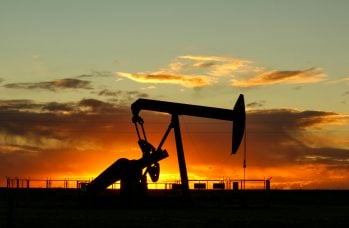
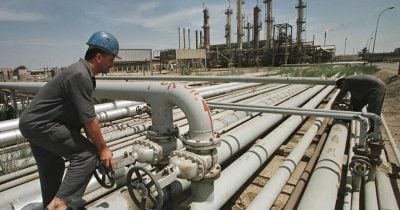
Oil prices are pushing toward $100 a barrel, a threshold that has historically made central bankers nervous. The rally comes as traders weigh supply constraints against demand uncertainty, and a prediction market now puts the odds of a new all-time high at 14.5% by December 31.
Why $100 Oil Matters for Inflation
Crude at triple digits tends to feed through to consumer prices — gasoline, heating, transport — making it harder for central banks to hit their inflation targets. The last time oil traded above $100 for an extended period, in 2022, inflation in major economies surged above 8%. Policymakers at the Federal Reserve and the European Central Bank have repeatedly said they need to see sustained progress on inflation before cutting rates. A fresh oil spike could delay those plans.
What the Prediction Market Says
One betting platform now assigns a 14.5% probability that oil will reach a new all-time high before the end of the year. That's not a forecast — it's a market-implied chance, but it reflects real money being wagered on the possibility. The current all-time high, set in 2008, was just above $147 a barrel. A move to that level would require a further rally of roughly 50% from today's prices.
Central Banks' Dilemma
For the Fed and the ECB, the risk is that higher oil prices keep headline inflation sticky even as core measures cool. That could force them to hold rates higher for longer, or even raise them again — a scenario markets are not pricing in. The Bank of Japan faces a different problem: rising import costs could complicate its exit from negative rates. Meanwhile, oil-importing emerging economies are already feeling the pinch.
The question now is whether the rally has legs. OPEC+ production cuts, geopolitical tensions in the Middle East, and a weaker U.S. dollar have all contributed. But demand growth in China and Europe remains tepid. If the prediction market is right and oil does hit a new record, central banks will have a fresh headache — and rate-cut hopes could evaporate.