The spot oil premiums that spiked after tensions in the Middle East have dropped back to levels not seen before the conflict, following the recent US-Iran deal. The agreement, which reduces geopolitical risk in the region, has eased the fear premium that had been baked into crude prices since hostilities flared. But shipping threats and unfinished infrastructure repairs are keeping prices from fully normalizing.
What the deal changed
For months, oil buyers paid a hefty premium on spot cargoes to secure supply quickly, worried that a wider war could choke off shipments through the Strait of Hormuz. That premium has now evaporated. Traders say the diplomatic breakthrough removed the most immediate source of uncertainty, allowing the market to price oil closer to its underlying supply-demand fundamentals.
The US-Iran deal doesn't directly boost production or lift sanctions overnight. Instead, it signals that both sides are willing to step back from the brink. That shift in tone was enough to send spot premiums tumbling. Analysts aren't needed to see the pattern — the price action itself tells the story.
Why full normalization isn't here yet
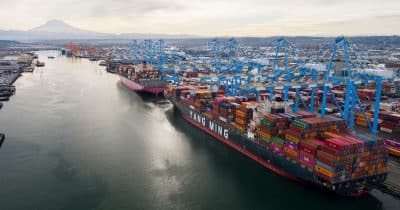
Even with the geopolitical risk dialed down, the oil market isn't back to business as usual. Shipping threats remain a real concern. Some tanker operators are still wary of transiting the region, and insurance costs haven't returned to pre-crisis levels. That keeps a lid on how quickly cargoes can move.
Infrastructure recovery is another drag. Ports, pipelines, and loading terminals that took damage during earlier disruptions aren't fully operational. Repairs take time — and time costs money. Until those bottlenecks clear, some of the old premium will linger in the price, even if it's no longer driven by fear of war.
The market is now watching two things: whether the deal holds and how fast the physical supply chain can heal. The first problem may be solved. The second is still a work in progress.