The world faces a potential oil shock as disruptions in the Strait of Hormuz threaten to drive crude prices to $160 a barrel. The narrow waterway, a critical chokepoint for global energy shipments, has become the focal point of rising geopolitical tensions. Analysts warn that any sustained blockage could ripple through economies already grappling with inflation and fragile supply chains.
Why the Strait Matters
Roughly a fifth of the world's oil passes through the Strait of Hormuz each day. That's enough to keep refineries in Asia, Europe, and North America running. When the strait is disrupted, buyers scramble for alternatives, and prices spike. The current risk assessment suggests a worst-case scenario where crude climbs past the $160 mark — a level not seen in years, though the facts don't specify exactly when such a price was last recorded.
Geopolitical Tensions in the Region
The vulnerability isn't new, but recent escalation has sharpened the threat. Regional powers have traded accusations, and naval patrols have increased. No single incident has triggered a full closure yet, but the possibility alone is enough to make traders nervous. The strait is narrow — only 21 miles wide at its narrowest point — and a single mines or missile strike could halt traffic for days or weeks.
Global Economic Stability at Risk
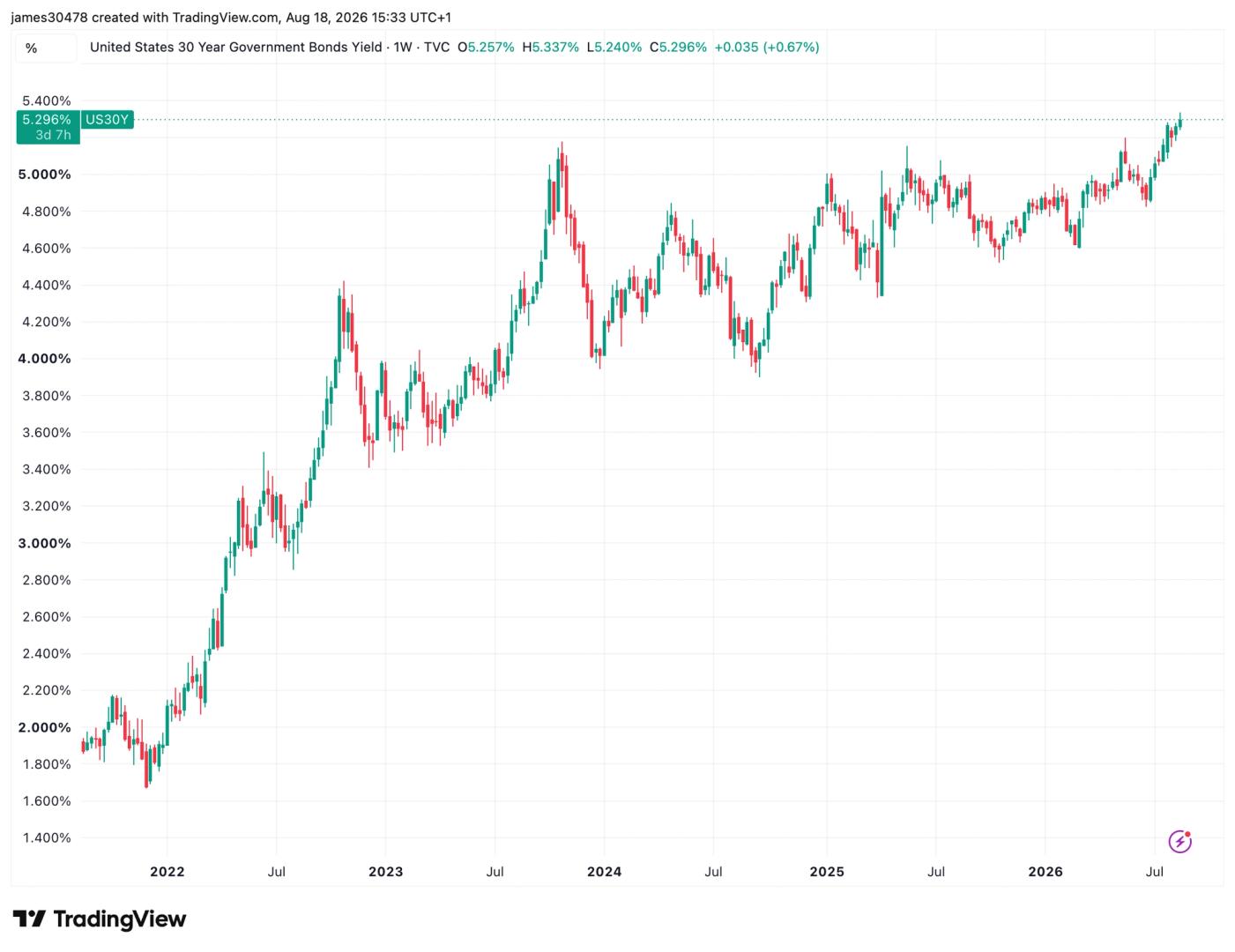
Oil at $160 wouldn't just hurt at the pump. It would fan inflation, slow manufacturing, and strain budgets in importing nations. Developing countries, already squeezed by debt and food costs, would be hit hardest. Central banks, already raising interest rates to cool prices, would face even tougher choices. The facts highlight that global economic stability is threatened by these energy supply vulnerabilities, and no quick fix exists.
What Happens Next
Diplomatic efforts are under way, though details are scarce. No formal talks or agreements have been announced. The key question remains: can de-escalation happen before a real disruption occurs? For now, oil markets are pricing in a risk premium. If tensions continue to simmer, the $160 forecast will stay on the table — a number that could become reality sooner than anyone wants.