Oil prices moved higher this week after Iran and Oman struck an agreement on a shipping route through the Strait of Hormuz. The deal, which covers navigation in one of the world's most critical oil passages, could ease geopolitical tensions and give the market a steadier footing.
A vital chokepoint
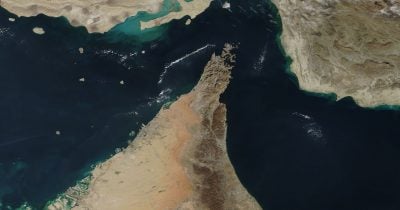
The Strait of Hormuz sits between Iran and Oman, connecting the Persian Gulf with the Gulf of Oman and the open sea. A vast share of the world's crude oil moves through this narrow channel every day, making it a focal point for energy traders and governments alike. Any disruption there tends to send prices climbing; any sign of cooperation tends to calm them.
The agreement between Tehran and Muscat addresses the use of a specific shipping route through the strait. Details of the arrangement have not been made public, but the two countries have described it as a step toward safer and more predictable passage.
A route with few details
For months, shipping companies and insurers have watched the region warily. Military incidents and diplomatic standoffs have periodically raised the risk of closures or attacks. By agreeing on a formal route, Iran and Oman are signaling that they intend to keep the waterway open and manageable.
That signal matters. When the strait is seen as risky, tanker rates rise, insurance premiums climb, and buyers pay more for oil. A clearer set of rules could reduce those costs and encourage steadier flows.
Oil prices responded quickly to the news. The rise was modest but noticeable, reflecting optimism that the agreement might hold. Traders are now watching whether the two countries follow through on the route's implementation and whether other regional players will respect it.
The deal does not eliminate the underlying tensions in the area. Iran and Oman have long maintained a working relationship, but their neighbors and international powers still have conflicting interests. Still, the agreement offers a rare piece of constructive news from a region where confrontation has often dominated.
Beyond the strait
If the route operates as intended, it could become a template for future energy security arrangements. Other Gulf states may look at this as a way to reduce friction without broader political settlements. For global energy strategies, the deal suggests that even small, technical agreements can have outsized effects on market confidence.
The real test will come in the next few weeks, as the first tankers use the newly agreed route. If they pass without incident, the agreement could become a permanent feature of the region's oil infrastructure. If not, the fragility of the strait will be on display again.
For now, the market is taking a cautious positive view. Oil prices are up, but no one is betting on a long-term calm just yet.