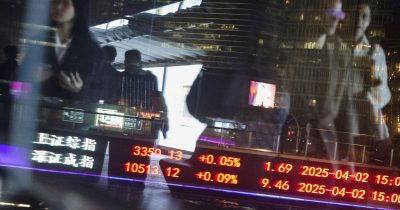
Oil prices climbed while stocks fell on Wednesday as the conflict between Iran and its adversaries remains stuck in a standoff, with no clear path toward resolution. The market split reflects growing unease that the impasse could drag on, keeping investors on edge and threatening to ripple through the global economy.
A Market Split
Crude futures moved higher, driven by the persistent risk of supply disruptions in a key producing region. At the same time, equity indices lost ground as traders weighed the possibility of a prolonged period of uncertainty. The divergent moves underscore how the standoff is being interpreted differently across asset classes: oil markets are pricing in the danger of a physical supply shock, while stock investors are fretting about the broader economic drag.
The stalemate itself isn't new. But the lack of any diplomatic breakthrough is starting to wear on sentiment. What began as a spike of fear has settled into a grinding worry that the conflict could simmer for weeks or months, with no clear endgame in sight.
Why the Stalemate Matters
Prolonged volatility is now the base case for many market participants, even if they're not saying so outright. The longer the standoff lasts, the more likely it is that businesses delay investment, consumers pull back on spending, and central banks face a thornier trade-off between fighting inflation and supporting growth.
For oil, the risk premium has been building. Each day that passes without a resolution adds a little more to the cost of crude, as traders factor in the chance of a miscalculation that could lead to supply disruptions. That's a direct hit to importers and a quiet tax on households already dealing with elevated prices.
Equities, meanwhile, are reacting to the same uncertainty from the other direction. Corporate earnings forecasts become harder to defend when the geopolitical backdrop is this murky, and investors tend to rotate toward safer assets when the picture doesn't clear up.
Global Stability at Risk
The stakes go beyond the trading floor. Geopolitical tensions of this sort have a way of spilling into the real economy, through energy costs, supply chains, and confidence. If the standoff persists, the impact could be felt well beyond the countries directly involved, adding a new layer of stress to an already fragile global recovery.
So far, the damage has been contained to price movements and portfolio adjustments. But the longer the conflict remains unresolved, the greater the chance that the effects become structural — embedded in inflation data, hiring plans, and consumer behavior.
The next few weeks will be telling. Traders are watching for any sign of de-escalation or, failing that, a further ratchet in tensions. For now, the market is left to guess at the timing of a resolution that no one can confidently predict.