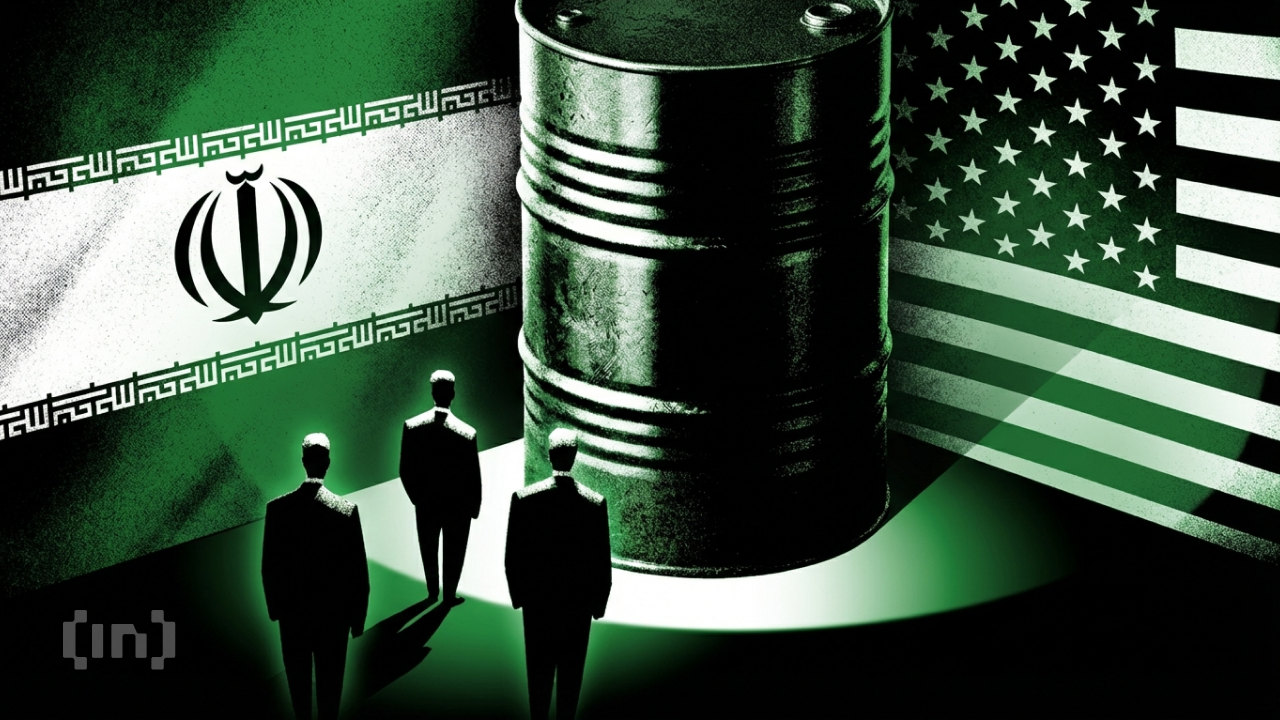
Oil stocks are trading at a roughly $40 premium relative to their 2026 fundamentals, driven by heightened geopolitical risk from US-Iran tensions, according to a JPMorgan analysis. The bank forecasts Brent crude averaging $60 a barrel in 2026, with prices potentially sliding in the second half after temporary elevation from the standoff.
Why the premium remains
The premium reflects the market's pricing of potential supply disruptions rather than underlying earnings power. Project Freedom, the US military's program of tanker escorts in the Strait of Hormuz, has helped stabilize prices. But JPMorgan warns the geopolitical risk premium could unwind quickly if tensions ease, dragging stocks down with it.
ExxonMobil's cash flow squeeze
ExxonMobil reported first-quarter 2026 free cash flow of $2.7 billion, down sharply from $5.6 billion in the fourth quarter of 2025. That came even as the company beat earnings-per-share estimates by 15%, posting $1.16. The cash flow drop raises questions about how much of the current stock price is supported by fundamentals versus the geopolitical premium. On the technical side, Exxon needs to break above $155.67 for a bullish confirmation, while a move below $147.52 would signal a breakdown.
Occidental's negative cash flow at current oil prices
Occidental Petroleum posted negative free cash flow of $112 million in the first quarter at an average oil price of $69.91 a barrel. That vulnerability to price declines is underscored by a head and shoulders pattern in its chart. If the neckline at $51.20 breaks, the pattern implies a 22.75% downside risk, with a potential target of $40.13.
Diamondback's capex hike and production boost
Diamondback Energy raised its full-year capital expenditure to $3.90 billion while lifting production guidance to more than 520,000 barrels of oil equivalent per day. The stock fell 3.51% after the earnings release. Its technical setup suggests a 26% upside to $214.58 if momentum holds, but a drop below $187.20 would signal trouble.
The JPMorgan analysis lays out a clear tension: the premium is real, but it's tied to a geopolitical situation that could shift. Whether that happens before earnings catch up — or before oil prices fall in the second half of 2026 — remains the open question for investors holding these stocks.