Report: US Forces Iran Deployment Odds Surge to 86 Percent
Geopolitical analysts are sounding the alarm as new prediction market data reveals a startling shift in military probabilities. Current indicators suggest an 86% likelihood of United States military units entering Iranian territory before April 30. This sharp increase correlates directly with recent legislative movements originating from Republican party proposals. What does this mean for global stability? The implications extend far beyond the Middle East, touching economies and diplomatic channels worldwide.
Legislative Moves Drive Market Sentiment
The sudden spike in conflict probability did not occur in a vacuum. Recent weeks saw the introduction of a bold proposal by GOP lawmakers targeting Iranian policy. This legislative push signaled a harder stance to international observers. Prediction traders reacted swiftly to the political signaling. Such moves often precede concrete action in Washington. Investors and analysts now view the April deadline as a critical window for potential engagement. The connection between domestic policy and military readiness remains strong.
Why did this proposal trigger such a massive response? Market participants interpret the bill as a precursor to authorization. Historical patterns show similar legislative steps often lead to deployment. Consequently, the odds jumped from negligible numbers to a dominant majority. This shift reflects growing confidence among bettors that action is imminent. Political rhetoric is translating into tangible risk assessments.
Regional Geopolitics Face Destabilization
A potential incursion carries heavy consequences for neighboring states. The Middle East remains a fragile ecosystem of alliances and tensions. Introducing foreign military forces could upset this delicate balance. Regional powers may feel compelled to choose sides quickly. Such polarization often leads to unintended escalations. Security experts warn of spillover effects into adjacent territories.
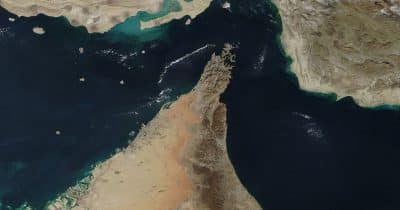
Consider the strategic chokepoints involved. Oil transport routes through the Persian Gulf could face disruption. Shipping lanes might become contested zones during heightened alert levels. Insurance premiums for maritime transport would skyrocket immediately. Local governments are likely reviewing emergency protocols as we speak. The ripple effect of instability threatens long-term peace agreements in the area.
Global Financial Markets React to Tensions
Wall Street dislikes uncertainty, and this scenario offers plenty of it. Escalating tensions between superpowers typically trigger volatility in equity markets. Investors seek safe-haven assets during times of potential conflict. Gold and bond yields often rise while tech stocks falter. Energy sectors experience mixed reactions depending on supply chain fears. Traders are adjusting portfolios to hedge against geopolitical shocks.
What specific sectors face the most risk? Defense contractors might see stock prices climb on expectation of orders. Conversely, consumer discretionary spending could drop amid economic anxiety. Currency markets will also feel the pressure. The US dollar might strengthen initially, but prolonged conflict could weaken confidence. Financial institutions are running stress tests to prepare for various outcomes. Prudent investors are watching these indicators closely.
Diplomatic Relations Under Severe Strain
International alliances face testing times amid rising conflict odds. Traditional partners may question the timing of such military moves. Diplomatic channels are working overtime to de-escalate the situation. United Nations officials often call for restraint during such spikes in tension. European allies might express concern over regional stability. Maintaining cohesion among NATO members becomes a priority.
How will adversaries respond to this pressure? Diplomatic strains can lead to reduced cooperation on other global issues. Trade negotiations might stall as trust erodes between nations. Consular services could see increased restrictions on movement. International law experts are debating the legality of potential preemptive actions. The fabric of international relations stretches thin under this weight. Restoring dialogue remains the primary goal for many ambassadors.
Conclusion: Monitoring the April Deadline
The convergence of legislative action and market prediction creates a volatile environment. An 86% chance of US forces Iran deployment represents a significant geopolitical shift. Stakeholders across government, finance, and defense sectors must remain vigilant. The period leading up to April 30 will define the immediate future. Preparation is key for nations and corporations alike.
Readers should monitor official statements from defense departments closely. Market volatility will likely increase as the date approaches. Understanding these dynamics helps in navigating the uncertain weeks ahead. Stay informed through reliable news sources to track developments. The situation remains fluid, but the current trajectory points toward heightened activity. Global observers await the next official announcement with bated breath.