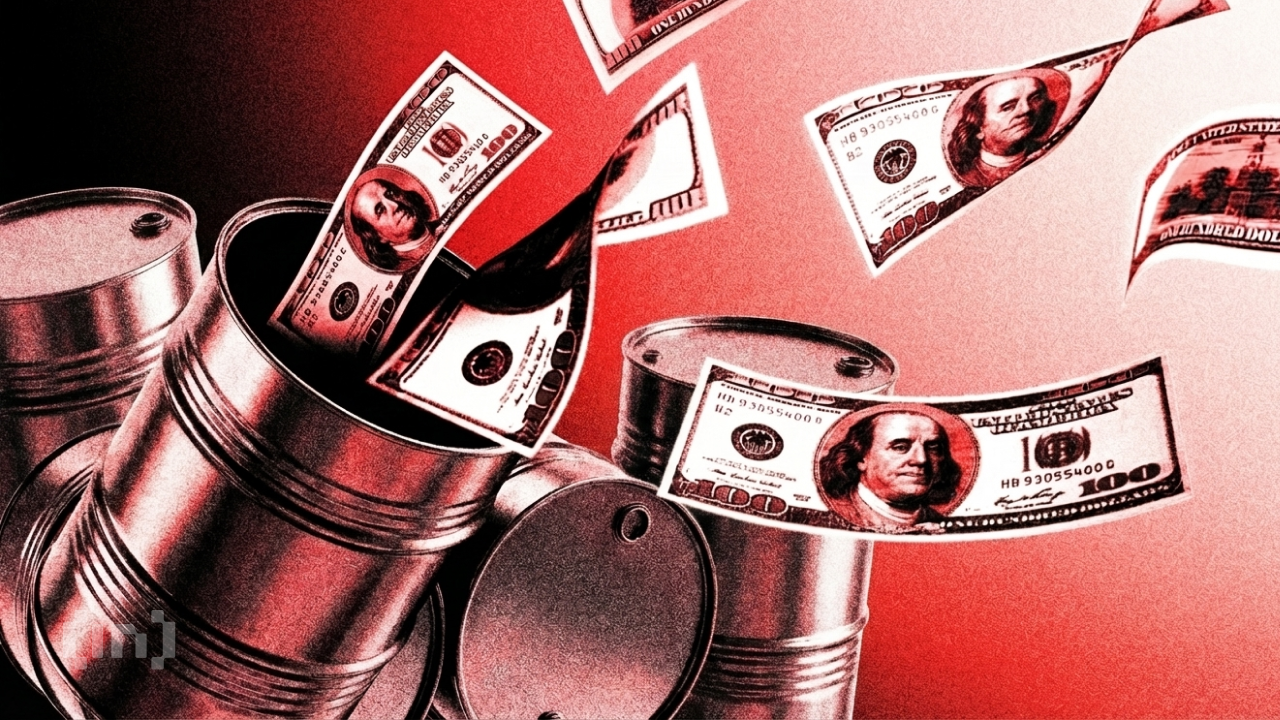
A wave of increased oil supply is set to ease upward pressure on crude prices, potentially steering the market away from the record highs seen in recent months and reshaping energy strategies worldwide. The additional barrels, coming from multiple producing regions, could stabilize a market that has been volatile for much of the year.
What's driving the supply boost
Producers have been ramping up output in response to tight market conditions and strong demand. While the exact volumes vary, the cumulative effect is now becoming clear: more crude is flowing into storage terminals and onto tankers than many anticipated just a quarter ago. That extra supply is already starting to show up in benchmark prices, which have edged lower in recent weeks.
The shift comes after a period when supply disruptions and geopolitical tensions kept the market on edge, pushing prices toward levels that threatened to slow economic growth. Now, with output rising in several key regions, the immediate risk of a sustained spike above $100 per barrel has faded.
Why record highs look less likely
When supply grows faster than demand, the price floor weakens. That's exactly what's happening. Analysts tracking the numbers see the surplus narrowing the gap between what producers can pump and what refineries need. The likelihood of prices hitting fresh all-time highs has dropped considerably, though no one is ruling out short-term jumps from unforeseen events.
For consumers, the news is a reprieve. Fuel costs, which had been climbing for months, could level off or even decline if the supply trend holds. That would ease pressure on household budgets and help central banks fighting inflation.
Strategic shifts for energy players
Energy companies are already recalibrating their plans. With prices no longer surging upward, the calculus changes for investments in new fields, renewable projects, and hedging strategies. Some may slow down expansion in high-cost areas, while others accelerate efforts to lock in current price levels through long-term contracts.
Governments that rely on oil revenue are also watching closely. A stable, lower price environment means tighter budgets for some producers, but it also reduces the macroeconomic risk for import-dependent nations. The dynamics of global energy trade are being reshaped by this new reality.
Unresolved questions on the horizon
The big unknown is whether the supply increase is sustainable. Some of the extra output comes from fields that have historically struggled to maintain high flow rates. Others are tied to political decisions that could be reversed. If a major producer decides to cut back, or if demand unexpectedly surges, the stabilization could be short-lived.
For now, the market is taking a cautious breath. Traders are watching inventory reports and production data closely, waiting to see if the trend continues into the next quarter. The next few weeks will tell whether the supply wave is a lasting shift or just a temporary calm before another storm.