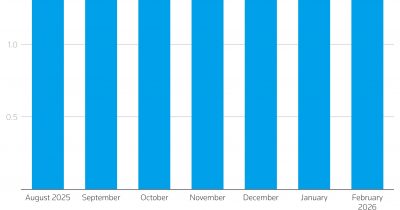
Russia's crude oil output rose by 100,000 barrels per day in July, pushing total production above 9 million barrels per day for the first time in months. The rebound is a fresh reminder of how geopolitical volatility continues to shape global energy supply. It also underscores a trend this article examines: the expanding role of sanctions in crypto markets.
Russia's oil output climbs
The increase comes after a period of constrained production tied to Western sanctions and voluntary cuts coordinated with OPEC+. July's gain suggests Moscow is finding ways to work around some of those restrictions, or that demand shifts are giving it room to pump more. Either way, the move adds another layer of complexity to an already tight global oil balance.
For crypto markets, the connection isn't direct — but it's real. Sanctions on Russian oil and financial institutions have pushed some activity into digital assets. Regulators in the U.S. and Europe have been watching closely, worried that crypto could become a channel to bypass restrictions.
Sanctions' expanding footprint in crypto
The same geopolitical forces driving oil output changes are also reshaping how governments approach crypto. Sanctions are playing an expanding role in crypto markets, as this article notes. That means more scrutiny on exchanges, tighter compliance rules, and a growing list of blacklisted wallets.
It's not just about Russia. The broader trend is that sanctions are becoming a primary tool for regulating crypto — not through new laws, but through enforcement actions and designations. The Office of Foreign Assets Control (OFAC) has been particularly active, targeting entities that facilitate transactions for sanctioned nations or groups.
For traders and platforms, this creates a tricky environment. One wrong transaction can trigger a freeze or legal trouble. Some exchanges have responded by tightening their own screening processes, while others have pulled out of jurisdictions where sanctions enforcement is aggressive.
What to watch next
The oil output data is a snapshot of a larger dynamic. As long as sanctions remain a central part of Western policy toward Russia, their influence on crypto will only grow. The next few months could bring new designations or guidance from regulators, especially if oil revenues help Moscow sustain its war effort.
For now, the message is clear: sanctions aren't just a geopolitical tool — they're a market force in crypto, and they're not going away.