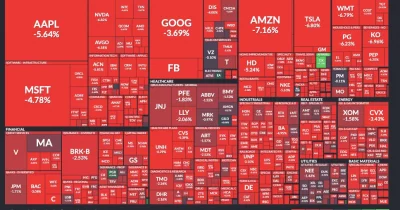
S&P 500 companies are bringing up oil prices more often in earnings calls and shareholder letters. But their financial outlooks for the coming quarters haven't changed much. That gap, according to recent corporate communications, suggests companies have built enough resilience into their budgets or are using hedging to blunt the impact of volatile crude costs.
Why the disconnect
Oil prices swing on geopolitics, supply decisions from OPEC+, and shifts in global demand. For many firms — especially in transportation, manufacturing, and chemicals — fuel is a major input cost. So when oil jumps, investors expect profit warnings. But the data from S&P 500 communications shows the opposite: mentions spike, forecasts don't. That points to widespread use of hedging contracts that lock in fuel prices months in advance, as well as cost buffers built into pricing strategies. The stability in guidance indicates that management teams feel confident they can absorb oil swings without derailing their numbers.
For shareholders, the steady forecasts are a signal of reduced earnings risk from commodity volatility. It means that when oil prices jump, they're less likely to see a rash of profit misses. That could make S&P 500 earnings more predictable, at least in the near term. It also suggests that companies are paying close attention to oil but have already accounted for it in their planning. The resilience is strategic — not accidental. Firms that hedge effectively can maintain margins even when input costs rise, giving them a competitive edge over rivals who don't.
How hedging works in practice
Companies typically use futures, options, or swaps to fix the price they pay for oil or related products like jet fuel and diesel. That allows them to set production costs and sell goods at stable prices. The fact that forecasts remain unchanged even as oil gets discussed more often implies that these hedging programs are broad and well-timed. It also means that any sudden oil spike would have a muted effect on the quarterly results reported by S&P 500 firms. The trend is visible across sectors, not just energy companies. Retailers, airlines, and logistics firms all mention oil heavily but keep their guidance flat.
What to watch next
The next wave of earnings calls will test whether the pattern holds. If oil prices break out of their current range — or if a supply shock hits — the calm in forecasts could crack. For now, the message from S&P 500 management teams is clear: we hear you about oil, but we've got it covered.