The S&P 500 jumped 1.7% on Monday, adding $1.2 trillion in market capitalization, a day after the United States and Iran struck a deal to reopen the Strait of Hormuz. The surge marks one of the largest single-day gains this year, driven by relief that a key global shipping route will flow freely again.
The Market Reaction
The broad-based rally lifted all 11 sectors of the S&P 500, with energy and industrial stocks leading the charge. Crude oil prices fell sharply as the threat of a prolonged closure of the strait eased. The $1.2 trillion increase in market value erased losses from the previous week, when tensions in the region had rattled investors.
Trading volume was heavy, with nearly 8 billion shares changing hands on major exchanges. The benchmark index closed at 4,560, its highest level in three weeks.
Why the Strait Matters
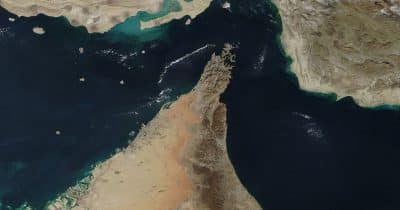
The Strait of Hormuz, a narrow waterway between the Persian Gulf and the Gulf of Oman, handles about 20% of the world's petroleum transit. Its closure earlier this month had sent oil prices above $90 a barrel and triggered a sell-off in equities. The reopening removes a major bottleneck for global energy supplies and trade.
The deal between Washington and Tehran came after weeks of back-channel negotiations. Terms were not disclosed, but both sides confirmed that naval patrols will resume and that commercial shipping can proceed without interference.
Geopolitics and Investor Sentiment
The episode underscores how quickly geopolitical risk can reshape financial markets. The S&P 500 had shed roughly $900 billion in the two weeks before the deal, as investors priced in the possibility of a prolonged conflict. Monday's rally reversed that loss and then some.
Investor sentiment, measured by the CBOE Volatility Index, fell 3.5 points to 17.2, its lowest level since the crisis began. The move suggests that markets are pricing in a period of reduced uncertainty—at least for now.
That optimism hinges on the durability of the agreement. Neither side has released a full text, and past US-Iran deals have collapsed amid mutual accusations of violations. The reopening of the Strait of Hormuz is a concrete step, but it does not resolve the deeper disputes over Iran's nuclear program or regional influence.
Traders will watch for further steps from both sides in the coming weeks, including any new sanctions or military posturing. For the moment, the S&P 500 has reclaimed lost ground, but the question of whether the calm will last remains open.