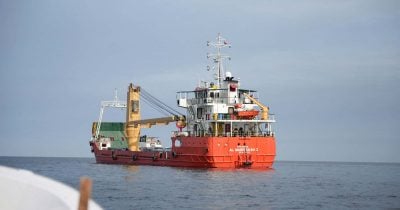
Shipping traffic has restarted through the Strait of Hormuz, a narrow waterway that handles roughly a fifth of the world's oil supply. The resumption, confirmed by maritime tracking data, comes after a period of disruption that had rattled global energy markets. Analysts expect the move to help steady crude prices and restore confidence among investors watching emerging economies.
Why the Strait Matters
The Strait of Hormuz connects the Persian Gulf with the Gulf of Oman and the open ocean. Tankers carrying crude from Saudi Arabia, Iran, Iraq, Kuwait, and the United Arab Emirates pass through this channel every day. Even a short blockage can send oil prices spiking and force buyers to scramble for alternative supplies. The recent halt had pushed benchmark prices higher and raised the risk of supply bottlenecks.
Impact on Oil Prices
With shipping lanes open again, traders are betting that supply will flow more freely. That could push crude prices back toward levels seen before the disruption. Lower oil costs would ease pressure on importing nations and help keep inflation in check. The effect isn't immediate — it takes time for tankers to clear backlogs — but the direction is clear. Markets have already responded with a modest drop in futures contracts.
Boost for Emerging Markets
Countries that rely heavily on oil imports — from India to Turkey to parts of Africa — stand to benefit the most. When oil prices fall, their import bills shrink, currencies often strengthen, and foreign investors feel more comfortable pouring money into local stocks and bonds. The resumption in Hormuz removes one source of uncertainty that had made these markets look riskier.
Investor confidence in emerging markets had been fragile. Higher oil prices, a strong dollar, and geopolitical tensions had all weighed on sentiment. The reopening of the strait removes one of those headwinds. Whether it's enough to trigger a broader rally depends on other factors — including central bank policy and global demand — but it's a clear positive.
For now, shipping companies are working through the backlog. The immediate risk of a supply shock has passed. The question is whether the conditions that led to the disruption stay resolved or flare up again.