SoftBank Group reportedly plans to put $50 billion into Malaysia's technology sector, with artificial intelligence and data centers at the center of the commitment. The reported plan has no confirmed timeline or structure yet, which matters more than the headline number. For crypto, the direct read-through is close to zero — this is capital aimed at traditional AI infrastructure, not digital assets.
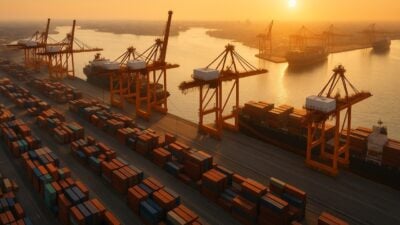
The indirect story is harder to dismiss. Malaysia already sits inside Asia's mining hardware supply chain, and a buildout of energy infrastructure, industrial parks, and data center capacity around that investment would touch the same physical inputs miners depend on: power, land, and assembly capacity.
What SoftBank actually said
Not much, at least publicly. The plan is being reported as a planned investment, not a signed, structured, fully funded program. That distinction matters. SoftBank's mega-commitments have historically been announced first and shaped later — through fund vehicles, co-investment structures, and negotiations with local sovereign capital. Whether this $50 billion is SoftBank's own balance sheet, a Vision Fund-style vehicle, or a headline number meant to anchor talks with Malaysian institutional investors isn't clear from the reporting.
📊 Market Data Snapshot
Until the structure is confirmed, the deployable capital and the timeline are both open questions. Treat it as a directional signal, not a check that's been written.
The power constraint nobody wants to talk about
Malaysia's data center ambitions run into a mundane wall: electricity and water. Hundreds of megawatts of new compute capacity doesn't appear because a fund commits capital. It appears because someone fast-tracks generation, transmission, and cooling infrastructure.
That's where the crypto connection gets interesting. Malaysia has cracked down on illegal mining operations over electricity theft and grid strain in the past. A push of this size creates a policy tension — to land the investment, the government may need to move faster on energy infrastructure than it otherwise would. How it handles crypto mining in that process is unresolved, but energy-linked tokens and mining operators will be watching the same contracts and industrial-zone announcements as everyone else.
Why the timing looks convenient
The leak lands while risk assets are soft. Bitcoin is drifting near $80,000 on low volume, total market cap has taken a hit, and BTC dominance is elevated enough that altcoins are struggling to hold their own. A forward-looking $50 billion AI story fits neatly into that backdrop.
It also serves as a reputational counterweight for SoftBank itself. Its Vision Fund was an FTX investor and has carried crypto-adjacent impairments. A positive, multi-year AI narrative shifts the conversation away from portfolio stress. That doesn't make the Malaysia plan untrue — it just means the framing deserves a second look before anyone treats it as a crypto catalyst.
The second-order trade
If the investment proceeds, the beneficiaries inside crypto are infrastructure names, not narrative tokens. Mining, energy, DePIN, and decentralized compute projects compete for the same scarce inputs SoftBank is paying to expand. A regional compute and energy hub in Southeast Asia would, over time, reduce mining concentration risk and support hash-rate distribution across a wider geographic base.
None of that shows up in a price chart this week. AI-adjacent tokens may catch a brief sympathy bid on the headline. In a high-dominance regime with thin volume, those moves have tended to fade within a session.
The concrete thing to watch isn't a token ticker. It's Malaysian industrial-zone activity and energy contracts — the leading indicators that physical capacity is actually being built. Those will take months to surface, and they'll tell you far more about whether this $50 billion is real than any press release will.