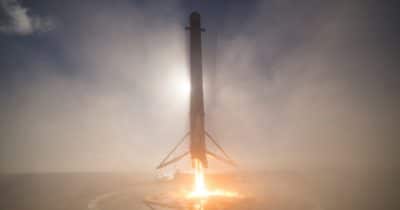
SpaceX has surpassed both Amazon and Microsoft in market valuation following a record-shattering initial public offering. The milestone places the space exploration company ahead of two of the world's largest tech giants, reshaping the rankings of the most valuable publicly traded firms. Neither the company nor its CEO has publicly commented on the new valuation.
The IPO That Changed the Rankings
SpaceX's IPO shattered previous records for the largest first-day trading volume and the highest valuation at debut. The offering drew massive demand from institutional investors and retail traders alike, pushing the company's market capitalization above Amazon's and Microsoft's within the first week of trading. Analysts had expected a strong listing, but the speed of the ascent caught many off guard.
Amazon and Microsoft have long held positions among the top five most valuable companies globally. Amazon's market cap had hovered around $2 trillion, while Microsoft's was just above that mark. SpaceX now sits above both, though exact figures fluctuate with trading. The IPO's success reflects investor confidence in SpaceX's long-term prospects, even as the company's revenue streams remain concentrated in government contracts and satellite launches.
What the Valuation Means
Being valued higher than Amazon and Microsoft is a rare distinction for a company that doesn't operate in e-commerce or software. SpaceX's business model relies on launch services, satellite internet, and future missions to Mars. The market is betting that these ventures will generate enormous returns, despite the high costs and technical risks involved.
The valuation also puts pressure on SpaceX to deliver on its promises. Investors will watch closely for the next milestones: the first orbital test of Starship, the expansion of the Starlink network, and any new government contracts. A miss on any of these could trigger a sharp correction. For now, though, the market's enthusiasm shows no sign of fading.
Unanswered Questions
Spacex has not disclosed its exact market cap, and the company's shares remain relatively thinly traded compared to Amazon and Microsoft. That could change as more shares become available and the stock is included in major indexes. The bigger question is whether SpaceX can sustain its valuation as it scales operations and faces competition from rivals like Blue Origin and United Launch Alliance.
The IPO proceeds give SpaceX a massive cash cushion, but the company has not revealed specific plans for the funds. Historically, it has poured capital into R&D and manufacturing. Shareholders will expect a clear strategy at the next earnings call, which hasn't been scheduled yet.