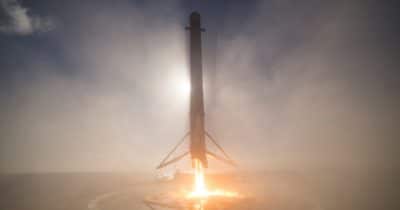
SpaceX stormed onto the public market on June 12, pricing its shares at $135 and raising roughly $75 billion — the largest initial public offering in history, dwarfing Saudi Aramco's $25.6 billion haul in 2019. By the close of the first trading day, the stock (ticker SPCX) had climbed to around $213.95, about 56% above the IPO price. Prediction market Kalshi said the company hit a $3 trillion valuation in after-hours trading, fueled by $18.7 billion in 2025 revenue.
IPO by the numbers
The $75 billion raised is more than triple what Aramco brought in, but it's the after-hours pop that grabbed attention. SpaceX's revenue of $18.7 billion for last year — largely from Starlink and launch contracts — gives it a roughly 160 times trailing revenue multiple at the $3 trillion mark. For comparison, the entire S&P 500 trades at about 3 times revenue. That kind of valuation doesn't come without skeptics.
A 'meme-like' climb?
CNBC's Jim Cramer said he's uncomfortable with the stock's rapid rise. He pointed to almost no sellers on the first day and compared SpaceX's market cap to Nvidia's. Some traders are drawing parallels to Tesla's 2010 IPO, predicting a 60-70% initial pump followed by a brutal 50% crash. Analyst Ted Pillows called it the same playbook. Investor Jo Bhakdi expects downward pressure starting in August, citing a thin float, forced index buying, and a valuation near 90 times 2026 revenue.
Lock-up risk
The first lock-up expiration for insiders is expected in August 2026. That's when SpaceX employees and early investors can sell their shares, potentially flooding the market with supply. Right now, the number of shares trading is small, which can amplify moves. Investment adviser Thierry Borgeat argued that scarcity could protect the price from falling despite the high valuation — but only until the lock-up ends.
ETF rush
Institutional demand was immediate. The number of ETFs holding SPCX jumped from four to about 120 within days of trading. That forced buying from index funds and active managers chasing exposure. But once the lock-up expires, those same funds could face selling pressure if the stock doesn't hold.
For now, SpaceX is a $3 trillion company on paper. The real test comes in August when insiders get the green light to sell — and the market finds out just how many of them want to cash out.