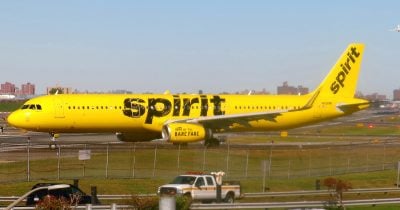
Spirit Airlines is staring down a potential shutdown as jet fuel prices climb and the carrier slashes flights. The ultra-low-cost airline, already struggling with thin margins, now faces a crisis that underscores how quickly geopolitical shocks can ripple through global travel.
Why jet fuel is the problem
Fuel is an airline's single biggest variable cost, and Spirit's entire business model depends on keeping operating expenses rock-bottom. Soaring jet fuel prices — driven by tensions in oil-producing regions and supply chain disruptions — have punched a hole in that strategy. Unlike larger carriers that hedge fuel costs or have diversified revenue, Spirit is especially exposed. Every dollar increase in the price of a barrel of jet fuel eats directly into its bottom line.
The airline has been forced to cut flights to conserve cash. Those cuts, in turn, reduce revenue, creating a downward spiral. Fewer departures mean fewer passengers, less ancillary income from baggage fees and seat selection, and a weaker position in the markets Spirit once claimed as its turf.
Flight cuts deepen the crisis
Spirit has already trimmed its schedule, pulling back on routes that no longer make sense with fuel at current levels. The cuts aren't just a temporary adjustment — they signal a deeper retrenchment. When an airline starts dropping routes, it risks losing airport slots and customer loyalty, both of which are hard to win back.
The company hasn't announced a specific timeline for a possible shutdown, but the warning signs are clear. Airlines typically file for bankruptcy protection before ceasing operations, but Spirit hasn't taken that step yet. Investors are watching closely: the carrier's stock has tanked, and analysts point to a cash crunch that could force a decision within weeks.
A warning for the industry
Spirit's predicament isn't happening in a vacuum. The same fuel price volatility that threatens this single carrier is squeezing airlines worldwide. Carriers in Europe and Asia have already raised fares or cut less profitable routes. The difference is that Spirit operates on razor-thin margins — often making just a few dollars per passenger — so there's almost no buffer.
The situation also highlights how geopolitical tensions — from conflicts in oil-exporting nations to sanctions — can disrupt global travel far from the front lines. Travelers booking flights on any low-cost carrier should watch the fuel price index as closely as they watch the weather.
Spirit hasn't issued a statement about a possible shutdown beyond acknowledging the pressure. The question now is whether the airline can secure financing, find a buyer, or restructure fast enough to keep flying. No one has said publicly what the cutoff point is, but with each week of high fuel prices, the answer gets a little clearer.