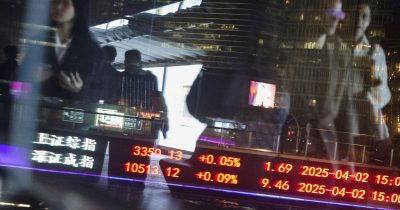
Stock futures were essentially flat early Monday, a sign that investors are holding their breath. Two forces are pulling at the market: an upcoming inflation report that could reshape expectations for Federal Reserve policy, and the unresolved question of how far tensions with Iran might escalate. Neither is giving traders much reason to commit.
A key inflation print on the horizon
The inflation data, due out this week, is the single biggest catalyst on the calendar. Markets have spent the past several sessions trying to guess where price pressures are headed, and the report is expected to provide a clearer answer. If the numbers come in hotter than anticipated, the case for further rate hikes strengthens. That would likely hit economic growth and dampen the mood on Wall Street.
Investors are also mindful that the Fed has repeatedly said its decisions depend on incoming data. That makes this week's release more than just a data point — it's a guide for what the central bank might do at its next meeting. A soft reading could revive hopes for rate cuts later in the year. A strong one could push those hopes further out.
Geopolitical uncertainty adds another layer
Alongside the economic calendar, traders are keeping a close eye on Iran. The situation there remains fluid, and any sudden escalation could ripple through energy markets. Higher oil prices would feed directly into inflation, complicating the Fed's job and putting more pressure on consumers and businesses.
The two risks are intertwined. Geopolitical shocks can move inflation, and inflation can move the Fed. That's why the market is so reluctant to take a firm stance right now. Futures have barely moved, reflecting the cautious mood that has settled over trading desks.
Rate hikes and the growth trade-off
Potential rate hikes are a central concern. If the Fed decides to raise rates again, it would mark a continuation of the aggressive tightening cycle that has already slowed parts of the economy. Higher borrowing costs tend to hit growth and corporate earnings, and they also tend to push investors toward safer assets.
The trade-off is simple but painful: fighting inflation may require sacrificing some economic momentum. That's the calculation investors are making, and it's why the inflation report matters so much. A number that's too hot could force the Fed's hand, while a cooler reading might give policymakers room to ease off.
Market stability hangs in the balance
Market stability, in the near term, rests on two things: what the inflation data shows and how the Iran situation evolves. Neither is predictable, and that uncertainty is keeping futures pinned. Investors are essentially waiting for a catalyst to break the deadlock.
The inflation release is scheduled for later this week, and that will be the next major event to move markets. Until then, expect rangebound trading and a nervous tone. Any surprise in the numbers could trigger a sharp response, and the geopolitical headlines will be watched just as closely.
For now, the market is in a holding pattern, with the data and the Middle East both poised to set the direction. The report arrives first, and that's where attention will be fixed.