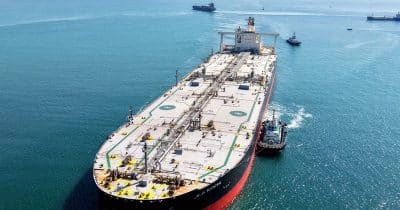
Oil prices slipped this week as a backlog at the Strait of Hormuz emerged after a US-Iran deal, with analysts warning flows may take weeks to recover and remain vulnerable to renewed disruption. For crypto markets already trading in extreme fear — the Fear & Greed index sits at 20 — the development adds another layer of macroeconomic uncertainty that could keep risk assets pinned in a narrow range.
Why the Hormuz backlog matters for crypto
The direct link between a minor oil supply hiccup and digital asset prices is weak. But the bigger picture matters. A prolonged backlog keeps inflation fears alive. That bolsters the case for the Fed to hold rates higher for longer — a direct headwind for speculative assets like bitcoin and ether. The US-Iran deal removes one geopolitical tail risk, but the logistical snag reveals just how fragile global energy supply chains remain.
📊 Market Data Snapshot
What traders are watching
The market is already pricing in maximum pessimism. Extreme fear readings have historically preceded sharp reversals in crypto. But for now, bitcoin and ether remain range-bound as the oil story fades into background noise. Traders are closely watching any Fed commentary or economic data that could shift the macro picture. If the backlog clears faster than expected — within a week — and oil resumes falling, a short-lived relief rally could push BTC toward the $35,000 resistance level. If it worsens, oil spikes, and inflation reignites, a break below $30,000 support is possible.
The hidden bullish angle most media missed
Mainstream coverage focuses on falling oil prices as disinflationary. But the lengthy backlog serves as a textbook reminder of how easily centralized energy chokepoints can break. Bitcoin — with its decentralized mining and fixed supply — gains narrative strength as a hedge against such geopolitical uncertainties. Institutional and retail investors increasingly look at BTC as a store of value uncorrelated with control points like the Strait of Hormuz. Separately, the disruption also affects LNG and natural gas prices, which directly impact electricity costs for Bitcoin miners. A sustained rise in energy costs could squeeze less efficient miners, forcing them to sell BTC and adding sell pressure.
What happens next
The next concrete data points to watch are the upcoming OPEC+ meeting and the Fed’s June 2026 rate decision. A protracted backlog could force OPEC+ to adjust output quotas, and any surprise production cut would amplify inflation expectations — making the Fed more hawkish. Markets are not yet pricing in that tail risk because the terms of the US-Iran deal remain unclear. Until the oil logjam actually clears, crypto traders are stuck waiting alongside crude tankers.