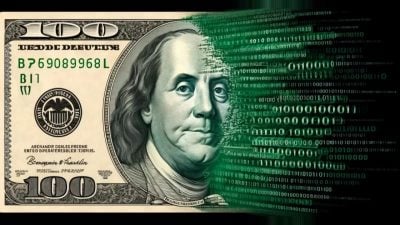
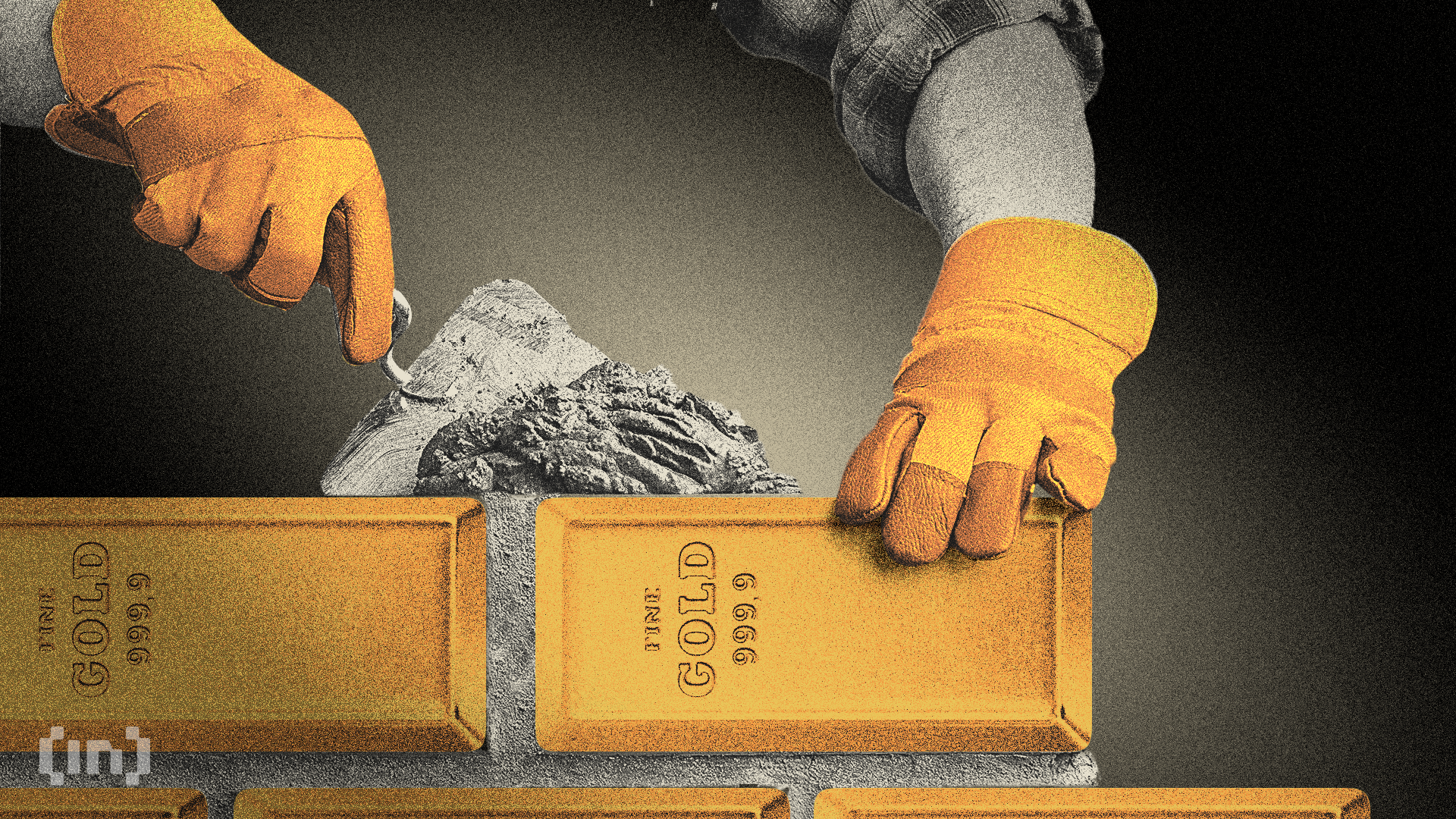
The strong dollar policy is keeping gold prices in check, and that dynamic is now feeding into market predictions and economic strategies as policymakers weigh potential changes to the approach. With the dollar holding firm, gold has struggled to gain traction, and the path forward for the precious metal hinges on whether the policy stance shifts.
The Dollar-Gold Relationship
Gold is priced in dollars, so when the greenback strengthens, gold becomes more expensive for buyers using other currencies. That typically dampens demand and pushes prices lower. The inverse correlation has been a consistent feature of commodity markets for decades, and it remains a central factor in how traders and investors assess gold's outlook.
A strong dollar doesn't just affect physical buyers. It also influences the behavior of exchange-traded funds, central banks, and mining companies. When the dollar is robust, the opportunity cost of holding non-yielding assets like gold rises, making it less attractive relative to dollar-denominated investments. This mechanism is well understood, and it's why the strong dollar policy—long a cornerstone of U.S. economic strategy—casts a long shadow over the gold market.
Policy Shift Scenarios
The phrase "strong dollar policy" refers to the U.S. government's historical preference for a stable, strong currency. But that preference isn't absolute. Economic conditions, trade balances, and domestic political pressures can prompt a rethink. If policymakers were to soften their stance—whether through explicit statements, intervention, or changes in monetary policy—the dollar could weaken, and gold could rally.
Market participants are watching for any signal that the policy might be adjusted. A shift could come from the Treasury or the Federal Reserve, though no specific steps have been announced. The mere possibility is enough to influence forecasts. Some investors are already positioning for a scenario where the dollar loses ground, which would likely lift gold prices. Others remain cautious, betting that the strong dollar policy stays intact for the foreseeable future.
Impact on Market Predictions and Economic Strategies
The uncertainty is rippling through broader economic planning. Companies that deal in commodities or international trade are factoring the dollar's trajectory into their hedging strategies. A sustained strong dollar means cheaper imports for the U.S. but also makes exports less competitive. For gold producers, a weaker dollar would boost revenues in local currency terms, while a strong dollar squeezes margins.
Investors are adjusting their portfolios accordingly. Gold is often viewed as a hedge against inflation and currency devaluation, but a strong dollar undermines that appeal. As a result, many funds have trimmed their gold exposure or are waiting for clearer policy signals before committing. Central banks in emerging markets, which have been steady buyers of gold in recent years, are also watching the dollar's path. A weaker dollar would make gold more affordable for them, potentially accelerating purchases.
The interplay between the strong dollar policy and gold prices is not new, but the current moment carries extra weight. With inflation still a concern in some economies and growth slowing in others, the stakes are higher. A policy shift could ripple through currencies, commodity markets, and investment flows. Until that decision is made, gold's outlook remains tied to the dollar's fate.
The next move from policymakers will be closely watched. Any hint of a change in the strong dollar stance could trigger a swift reassessment of gold's value, while a reaffirmation of the policy would likely keep prices under pressure. For now, the market waits.