Tesla's deep involvement in China is creating strategic and regulatory hurdles that would make a merger with SpaceX difficult, if not impossible, under current geopolitical conditions. The two companies, both led by Elon Musk, operate in vastly different regulatory worlds — one deeply embedded in China's industrial ecosystem, the other tied to U.S. defense and space contracts.
The China Factor
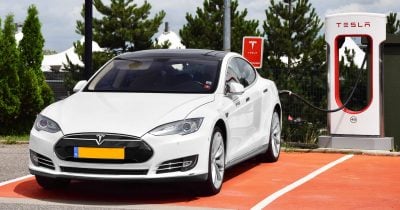
Tesla runs a massive factory in Shanghai that produces vehicles for the Chinese market and exports to Europe. The company also handles data from millions of Chinese customers, subjecting it to local laws on data security and cross-border transfers. Those operations give Beijing significant leverage over Tesla's business decisions. Any merger with SpaceX would bring a U.S. rocket and satellite company under the same corporate umbrella — a move that would almost certainly trigger national security reviews in Washington.
Chinese regulators, meanwhile, would have their own concerns. They could demand guarantees that Tesla's China operations remain independent or that sensitive data stays out of SpaceX's hands. The result is a web of conflicting requirements that no single deal could easily satisfy.
Regulatory Hurdles on Both Sides
In the United States, the Committee on Foreign Investment (CFIUS) would likely examine any merger involving a company with substantial Chinese ties. SpaceX holds contracts with the Pentagon and NASA, and its Starlink satellite network is considered critical infrastructure. Regulators would want assurances that Chinese authorities couldn't influence the combined company's operations or access its technology.
On the Chinese side, any restructuring of Tesla's local operations could violate agreements made when the Shanghai factory was built. The company benefits from tax breaks and land leases that are tied to its current corporate structure. Changing that structure for a merger could trigger penalties or renegotiations.
Strategic Complications for Musk
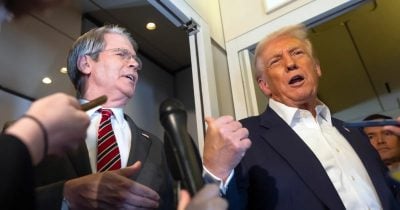
Elon Musk has publicly expressed interest in merging Tesla and SpaceX at various points, but the practical barriers have only grown. Tesla's China business is a major profit driver, and pulling back would hurt the company's bottom line. Keeping it separate from SpaceX, however, would defeat the purpose of a merger — which would aim to combine engineering teams, supply chains, and financial resources.
SpaceX's valuation and growth depend heavily on U.S. government contracts. Any perception that the company's decision-making could be influenced by Chinese interests would jeopardize those contracts. The same goes for Tesla's ability to sell cars in China if Beijing views the merger as a threat.
For now, neither company has commented on merger plans. The structural barriers — rooted in geopolitics, not technology — remain unresolved. Until the regulatory landscape shifts, a Tesla-SpaceX combination looks like a deal that can't close.