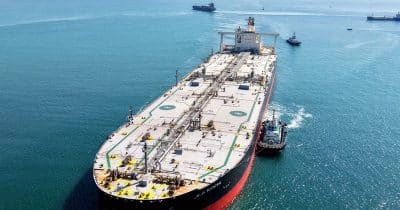
President Trump has agreed to a limited deal that reopens the Strait of Hormuz, a short-term fix that keeps Iran's ruling leadership in place and eases global oil supply fears. The arrangement temporarily lifts a blockade that had threatened energy shipments through one of the world's busiest chokepoints, but it doesn't address the underlying political standoff.
The Terms of the Agreement
Under the deal, shipping through the Strait of Hormuz can resume without a broader reset of U.S.-Iran relations. The Trump administration accepted a narrow reopening rather than demanding changes to Iran's government or its nuclear program. That means Iran's leadership structure remains untouched—a point that could stir criticism from hawks who wanted a tougher stance.
The temporary nature of the accord is key. Neither side has committed to a permanent framework, and the deal is tied to specific conditions that haven't been disclosed. What's clear is that both parties stepped back from a confrontation that had idled tankers and spiked insurance rates for Gulf cargo.
Impact on Oil Markets
Global crude prices slipped after news of the reopening broke. Traders had been bracing for supply cuts if the strait stayed closed, since about a fifth of the world's oil passes through those narrow waters. The deal buys time for buyers and sellers to adjust, but it's a stopgap, not a solution.
Analysts inside the industry—though not named in official statements—are already warning that the next disruption could come without warning. The temporary reopening doesn't guarantee long-term stability for energy markets, and shipping firms are still wary of sending crews into a volatile region.
Unresolved Tensions
The agreement leaves Iran's leadership intact, which means the same actors who orchestrated the original blockade are still in power. That unresolved dynamic is the biggest risk. If the temporary terms break down or expire without a replacement, the Strait could close again just as quickly.
Regional instability also remains a threat. The deal hasn't changed Iran's relationship with neighboring states or its position on broader security issues. U.S. naval forces in the Gulf are still on alert, and the underlying disputes over shipping rights and regional influence haven't been tackled.
The big unanswered question is what happens next. Neither Washington nor Tehran has outlined a timeline for broader negotiations. The limited deal kicks the can down the road, but without a more permanent arrangement, the Strait of Hormuz could become a flashpoint again—and oil markets will be watching every move.