The Trump administration has rejected Iran's attempt to impose tolls on vessels passing through the Strait of Hormuz, a move that could ratchet up tensions between the two countries and disrupt global oil supplies. With heightened military posturing in the region, the decision narrows the path for diplomatic resolution in the near term.
Why Iran's toll plan matters
Iran recently announced it would levy fees on ships using the strategic waterway, through which about a fifth of the world's oil passes. The White House's refusal to accept those tolls marks a firm stance against what it sees as an illegal seizure of international waters. Without a bilateral agreement, the risk of confrontation at sea grows.
Oil markets brace for disruption
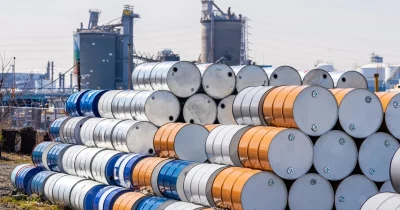
The Strait of Hormuz is a chokepoint for crude shipments from the Middle East. Any disruption could send oil prices soaring. Markets are already jittery after recent attacks on tankers and infrastructure in the region. The rejection of tolls may push Iran to escalate, potentially leading to blockades or further harassment of commercial shipping.
Diplomatic options narrow
The move comes as US-Iran relations are at their lowest point since the breakdown of the nuclear deal. By refusing to negotiate on the toll issue, the Trump administration is signaling that it will not accept any Iranian assertion of control over the strait. This leaves few avenues for dialogue. European mediators who have tried to keep channels open now face an even harder task.
What happens next
The next test may come within days, as the first commercial vessels due to pay the toll approach the strait. How Iran responds to the rejection could determine whether this crisis remains a political standoff or escalates into a military one.