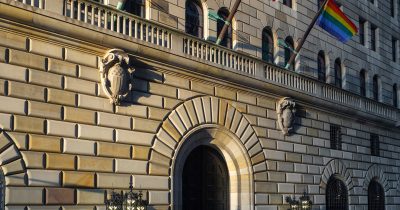
A Steady Hand at the Fed
The Federal Reserve's rate-setting committee is slated to meet in the coming days, and the consensus among market participants is that it will keep the federal funds rate in its current range. That would mark a pause after a period of rate adjustments, though the Fed has not signaled any intention to change course. The decision reflects the central bank's dual mandate to foster price stability and maximum employment, goals that often require a cautious approach to policy shifts.
For everyday borrowers, a hold means no change in mortgage rates, auto loan payments, or credit card interest. Businesses planning expansions will also see their financing costs stay the same. While the Fed's decision is unlikely to cause immediate ripples, the longer-term trajectory of rates remains a critical factor for the economy.
The Political Squeeze
Trump's public calls for lower rates are a direct challenge to the Fed's independence. By reiterating his preference, the president is applying political pressure on an institution designed to operate without White House interference. This tension is not new; it has simmered throughout his term, but the timing of his latest comments is notable given the upcoming meeting.
Supporters of rate cuts argue that cheaper money would stimulate spending and investment, potentially boosting economic growth. Critics, however, worry that lowering rates too quickly could reignite inflation or undermine the Fed's credibility. The president's push highlights the fundamental conflict between political cycles, which favor short-term gains, and economic stability, which requires a longer view.
Market and Consumer Stakes
The standoff is being felt across financial markets. Investors are parsing every statement from both the White House and the Fed for clues about the future direction of rates. A decision to hold steady could disappoint those hoping for a cut, while any surprise move would likely trigger sharp swings in stocks, bonds, and currencies.
Consumer sectors are equally sensitive. Housing, retail, and auto sales all depend on borrowing costs, and a shift in rates can quickly alter demand. If the Fed holds steady, those sectors will continue to operate under the current conditions. But if the president's pressure eventually sways the central bank, the effects would be felt almost immediately.
The Fed's next policy announcement is scheduled for the coming days, and all eyes will be on whether it delivers the cut Trump wants or holds its ground. Either way, the debate over interest rates is far