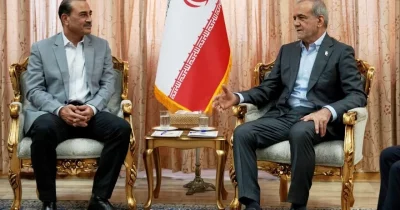
President Donald Trump said a peace agreement is close that would allow the Strait of Hormuz to reopen, ending a blockade that has disrupted one of the world's most critical shipping lanes. The announcement came without specific details on which parties are involved or when the deal might take effect.
The announcement
Speaking to reporters, Trump described the deal as imminent but offered no timeline or terms. He did not name the countries or groups behind the closure of the waterway, which connects the Persian Gulf to the Gulf of Oman. The Strait has been effectively shut to commercial traffic for weeks after regional hostilities escalated.
“We're getting there,” Trump said, according to a pool report. “It's going to open up.” The statement marks the first public sign of progress toward resolving the standoff.
Why the Strait matters
The Strait of Hormuz is a narrow passage that serves as the main route for oil tankers leaving the Persian Gulf. A prolonged closure drives up fuel costs worldwide and threatens supply chains that rely on crude from the region. Tankers have been forced to take longer, more expensive detours, adding pressure to global energy markets already dealing with tight supplies.
Before the blockage, roughly a third of the world's seaborne oil moved through the Strait. Without a resolution, analysts warn of further disruptions to shipping schedules and insurance premiums.
What's unclear
Trump did not say whether the deal involves direct talks with the nations typically linked to control of the Strait, nor did he explain what concessions might be on the table. No other government has confirmed the negotiations. The lack of detail leaves open questions about enforcement—how the waterway will be secured once reopened and whether the agreement covers all vessels or only certain types of cargo.
The announcement also did not address the status of ships currently stuck near the entrance or the timeline for clearing any blockages left by the conflict.
For now, shipping firms are waiting for concrete steps. The next move depends on whether the parties follow through with a formal agreement. Until then, the Strait remains closed, and the world watches.