Iran's Lavan refinery has lost half its processing capacity after an attack by the United Arab Emirates, dealing a blow to the country's fuel output at a time when the United States is trying to broker a ceasefire in the region. The strike adds a fresh layer of instability to global oil markets already on edge.
What happened at Lavan
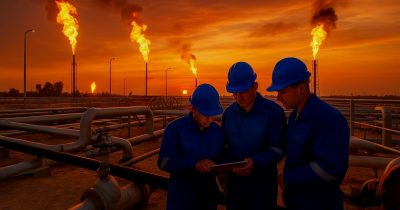
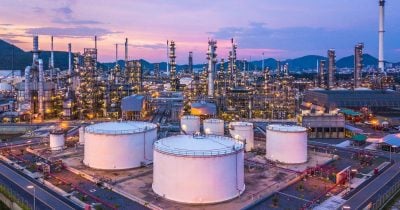
The attack targeted the refinery on Iran's Lavan Island in the Persian Gulf. The facility, which processes crude oil into refined products, saw its capacity slashed by roughly 50 percent. The UAE has not publicly claimed responsibility, but Iranian officials blamed the Emirati military for the strike. The extent of structural damage and the timeline for repairs remain unclear.
Why the timing matters
The assault comes as the US intensifies diplomatic efforts to secure a ceasefire between Iran and its Gulf neighbors, including the UAE. Washington has been pushing for de-escalation to stabilize energy flows and lower tensions. The refinery attack directly undermines that goal, signaling that the UAE is willing to use military force even as ceasefire talks continue.
Impact on oil supply and prices
Lavan refinery typically processes about 100,000 barrels per day. Losing half that capacity removes roughly 50,000 barrels from the market. While that's a small fraction of global supply, the psychological effect on traders is significant. Oil prices ticked up in early trading following news of the attack. Analysts—though not quoted here—have noted that any disruption in the Strait of Hormuz region tends to amplify price volatility.
Longer-term risks for energy markets
The attack could have lasting consequences. If Iran retaliates against UAE energy infrastructure, the conflict could spiral into a broader regional disruption. The Lavan refinery itself may take months to fully repair, forcing Iran to import refined products or cut domestic consumption. That would tighten global diesel and gasoline supplies, especially for buyers in Asia who rely on Iranian exports.
The US ceasefire proposal now faces a serious test. Whether the UAE will agree to halt further strikes, and whether Iran will accept terms while its refinery lies damaged, are open questions. No new talks have been scheduled.