The United States and Iran reached a framework for a peace deal on July 31, 2026, sending ripples through energy markets and reshaping geopolitical calculations. The agreement, announced after months of indirect talks, marks the first formal step toward ending decades of hostility between the two nations.
Market Turmoil
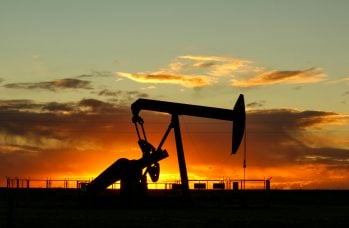
Oil prices swung wildly within hours of the announcement. Brent crude dropped more than 5% in early trading before recovering some losses as traders digested the news. The volatility reflected deep uncertainty about how the deal might affect global supply. Iran holds some of the world's largest oil and gas reserves, and any easing of sanctions could bring millions of barrels back onto the market.
Energy stocks took a hit, with major producers seeing their shares fall. Analysts noted that the framework is just a starting point — many details remain unresolved, including the timeline for sanctions relief and verification mechanisms. That ambiguity kept markets on edge.
Geopolitical Shifts
The framework signals a potential realignment in the Middle East. For years, the US and Iran have been locked in a cold war, with proxy conflicts in Syria, Yemen, and Iraq. A peace deal could reduce tensions across the region, though it's unclear how allies like Israel and Saudi Arabia will respond. Both countries have expressed skepticism about any agreement that doesn't fully address Iran's nuclear program and ballistic missile capabilities.
The deal's structure remains vague. Officials described it as a "framework" — a set of principles rather than a detailed treaty. Negotiators are expected to begin working on a comprehensive agreement in the coming months, but no deadline has been set.
What Comes Next
For now, the world waits. The US administration has said it will brief Congress and key allies in the days ahead. Iran's leadership faces its own domestic pressures, with hardliners wary of any compromise. The next concrete step will be a round of technical talks scheduled for late August, where both sides will try to turn principles into provisions. Until then, the markets and the region will have to live with the uncertainty.