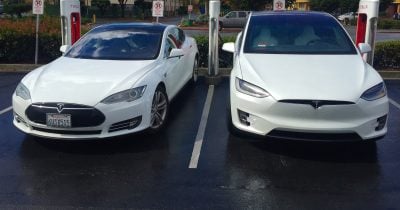
Sales of electric vehicles in the United States fell 27% in the first quarter of 2026, a direct hit from the expiration of federal tax credits that had long propped up consumer demand. The drop, measured against the same period last year, marks the steepest quarterly decline since the modern EV boom began.
Why the credits mattered
The federal tax credit, which had offered up to $7,500 per vehicle, expired at the end of 2025 after Congress declined to renew it. Without that subsidy, the effective price of many EVs jumped overnight. Automakers had been counting on a gradual phase-out, but the sudden end caught the industry off guard. Dealerships report that showroom traffic for EVs has slowed sharply, and inventory is piling up on lots.
The cost to automakers
The sales slump is now forcing car companies to take massive financial hits. Combined write-downs across the industry are expected to total between $50 billion and $65 billion. These charges cover everything from devalued factory equipment and canceled battery plant projects to unsold vehicles that must be discounted or sold at a loss. Several automakers have already announced production cuts at EV assembly lines, and at least two have delayed plans for new models.
Without the tax credit, the price gap between EVs and gasoline cars has widened again. Automakers are scrambling to cut costs, but battery materials and labor remain expensive. Some are turning to leasing deals and manufacturer incentives to move vehicles, but those tactics eat into margins. The next big test comes in the second quarter, when the full effect of the credit expiration will be visible in sales data. Investors are watching closely, and several automakers have warned that further write-downs are possible if demand doesn't recover.